
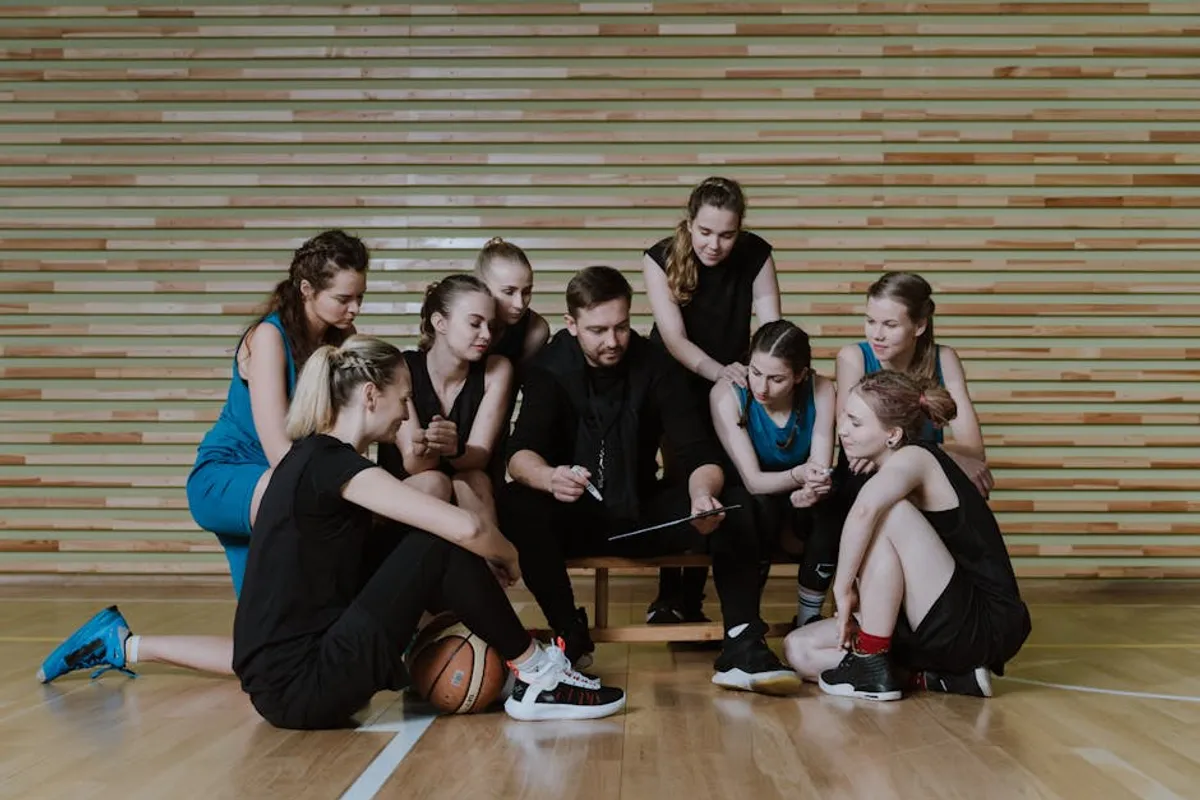
For any basketball club, news content extends beyond simple game reports; it functions as a critical component of fan engagement, brand development, and sustained commercial viability. Effective news practices transform passive viewership into active community participation, driving interest in season tickets, merchandise, and local sponsorships. The objective is not merely to inform, but to cultivate loyalty and a deeper connection with the club’s identity and mission. This requires a strategic approach to content creation, distribution, and audience interaction, moving past reactive reporting to proactive storytelling that resonates with diverse fan segments.
Understanding Your Audience and Content Goals
Before any content is drafted, a clear understanding of the target audience and the club's overarching communication goals is essential. Fan bases are rarely monolithic; they comprise casual observers, dedicated season ticket holders, youth league participants, and local community members. Each group has distinct interests and preferred consumption methods.
Tailoring News to Fan Segments
Segmenting your audience allows for the creation of targeted content that maximizes relevance. For instance, hardcore fans might seek in-depth tactical analyses, injury updates, and player statistics, while community members may be more interested in local outreach programs, youth clinics, or player appearances. Developing persona profiles for these segments helps guide content topics, tone, and even the platforms used for distribution.
- Dedicated Fans: In-depth game analyses, player interviews, tactical breakdowns, injury reports, trade rumors.
- Casual Supporters: Game highlights, feel-good stories, player lifestyle content, community involvement.
- Youth & Families: Youth camp announcements, player meet-and-greets, educational content, mascot appearances.
- Local Businesses/Sponsors: Partnership spotlights, club growth metrics, community impact reports.
Defining Commercial and Engagement Objectives
Every piece of news content should align with specific objectives. These can range from increasing website traffic and social media engagement to driving ticket sales, merchandise purchases, or sign-ups for club events. Clearly defined KPIs (Key Performance Indicators) for each objective allow for measurable success. For example, a player profile might aim to increase social media shares by 15%, while an early-bird ticket announcement seeks a 5% conversion rate on its landing page. Without these benchmarks, content creation risks becoming an unguided effort with unclear returns.
Developing a Consistent Content Cadence
Consistency in publishing and variety in content types are cornerstones of an effective news strategy. An editorial calendar helps manage these elements, ensuring a steady flow of information that keeps the audience engaged throughout the season and beyond.
Pre-Game, In-Game, and Post-Game Narratives
The game cycle provides a natural rhythm for news content. Pre-game content can build anticipation through opponent scouting reports, player quotes, and key matchup analyses. During games, live updates, quarter-by-quarter summaries, or real-time social media commentary maintain engagement. Post-game, content shifts to recaps, player and coach reactions, statistical breakdowns, and highlight reels. This structured approach ensures fans receive timely, relevant information at each stage of a game's progression.
Best for: Maximizing fan engagement around core club activities.
Off-Season Engagement Strategies
The off-season presents a challenge for maintaining fan interest, but it is also an opportunity for different content forms. News can focus on player development, draft prospects, free agency moves, facility upgrades, or community initiatives. Behind-the-scenes content showing players training or engaging in personal interests can humanize the team. This period is crucial for nurturing the fan base, preventing disengagement, and building anticipation for the upcoming season.
Pro Tip: Avoid the "information dump" approach. Instead of releasing all news at once, strategically drip-feed updates and stories. This creates sustained interest and provides multiple touchpoints for fan engagement, allowing each piece of content to breathe and generate its own discussion.
Optimizing Distribution Across Digital Platforms
Creating compelling news is only half the battle; it must also reach the intended audience efficiently. A multi-channel distribution strategy ensures maximum visibility and caters to diverse consumption habits.
Leveraging Club Websites and Email Newsletters
The club's official website should serve as the central hub for all news content, providing comprehensive articles, media galleries, and archives. This platform offers full control over presentation and analytics. Complementing the website, an email newsletter remains a highly effective direct communication channel. Segmented email lists can deliver personalized news digests, exclusive content, or early access to ticket offers, fostering a direct relationship with the most engaged fans.
Strategic Social Media Use for Reach
Social media platforms are vital for amplifying news and fostering real-time interaction. Each platform has its strengths: Twitter for breaking news and live updates, Instagram for visual storytelling (behind-the-scenes, player photos/videos), Facebook for community building and longer-form discussions, and TikTok for short, engaging video content. Content should be adapted for each platform's native format and audience expectations, rather than simply cross-posting identical material.
Fostering Fan Engagement and Community
News content should not be a one-way broadcast. Encouraging interaction transforms passive readers into active participants, strengthening community bonds and loyalty.
Interactive Content Formats
Integrating interactive elements into news pieces can significantly boost engagement. Polls on game outcomes, quizzes about club history, fan-submitted questions for player Q&As, or user-generated content contests (e.g., "fan photo of the week") provide avenues for fans to contribute directly. These formats not only increase time on page but also generate valuable insights into fan preferences and sentiment.
Responding to Fan Feedback
Actively monitoring and responding to comments on articles, social media posts, and forum discussions demonstrates that the club values its fans' opinions. Addressing questions, acknowledging praise, and managing constructive criticism builds trust and a sense of belonging. This two-way communication loop is essential for nurturing a loyal and vocal fan base.
Measuring Impact and Refining Approach
Effective news practices are iterative. Consistent analysis of content performance provides the data needed to refine strategies and maximize impact.
Key Performance Indicators for News Content
Tracking specific KPIs reveals what content resonates and what falls short. For website articles, metrics include page views, average time on page, bounce rate, and conversion rates for embedded calls to action. For social media, monitor reach, engagement rate (likes, comments, shares), and click-through rates. Email newsletters can be evaluated by open rates, click-through rates, and unsubscribe rates. These data points provide an empirical basis for content decisions.
Iterative Content Improvement
Regularly review performance data to identify trends. Which types of articles generate the most engagement? Which platforms drive the most traffic? Are specific players or topics consistently overperforming? Use these insights to inform future content planning, adjust distribution strategies, and optimize calls to action. This continuous feedback loop ensures that the news strategy remains agile and responsive to audience preferences and club objectives.
Sustaining Fan Connection Through News
Implementing best practices for basketball club news requires a commitment to understanding your audience, planning diverse content, distributing it strategically, and fostering genuine interaction. It's an ongoing process of creation, analysis, and adaptation. By treating news not as a chore but as a powerful tool for community building and commercial growth, clubs can cultivate a deeply engaged fan base that remains loyal through every season.
Frequently Asked Questions
How often should a basketball club publish news content?
The ideal frequency depends on the club's resources and the news cycle. During the season, daily updates or multiple posts per day around games are common. In the off-season, 2-3 quality pieces per week can maintain engagement. Consistency is more critical than sheer volume.
What types of news content perform best for fan engagement?
Content that offers unique access (behind-the-scenes, exclusive interviews), fosters interaction (polls, Q&As), or tells compelling human stories (player profiles, community impact) generally performs well. High-quality visual content, especially video, also drives strong engagement.
Should news content be identical across all social media platforms?
No. While the core message might be consistent, content should be adapted for each platform's specific audience, format, and best practices. A long-form article for the website might become a short video highlight on TikTok and a discussion prompt on Facebook.
How can a club measure the commercial impact of its news content?
Commercial impact can be measured by tracking conversions directly linked to news content, such as ticket sales originating from a news article's call to action, merchandise purchases driven by a player feature, or increased sponsorship inquiries following a partnership spotlight. Utilizing UTM parameters and analytics dashboards is crucial for attribution.