
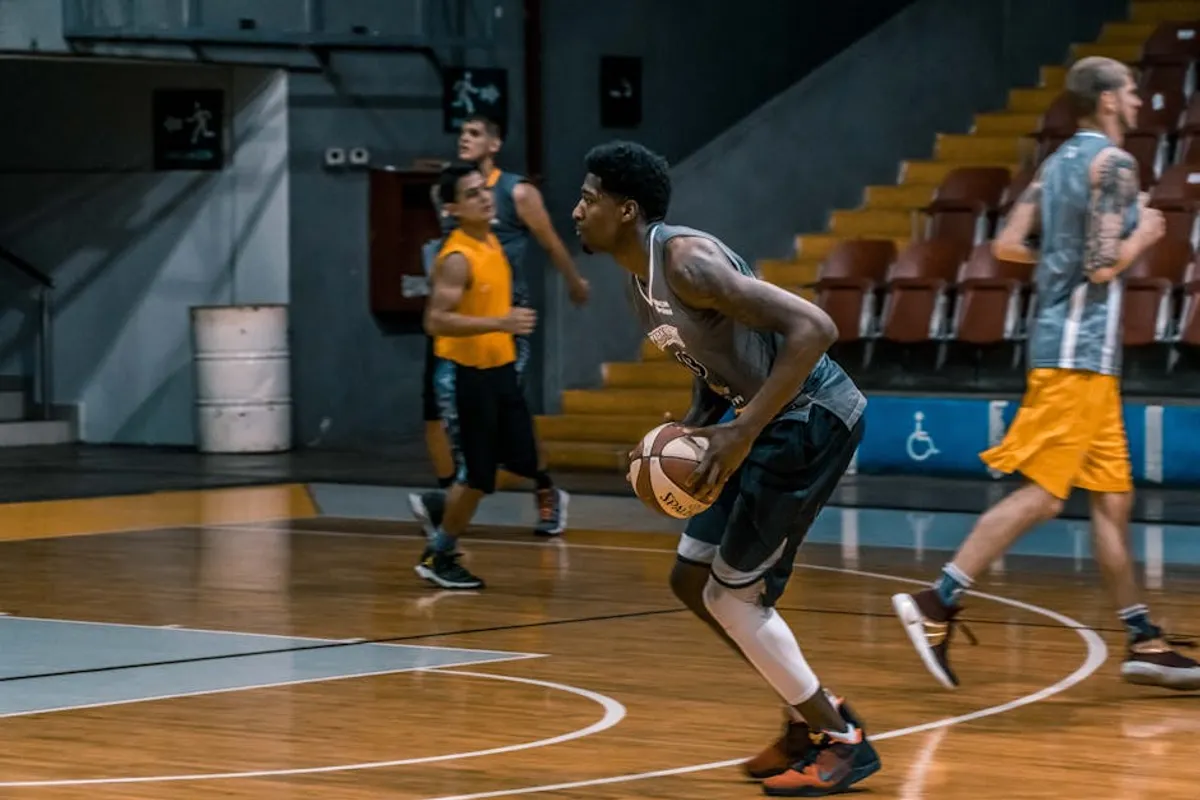
Basketball clubs, from amateur leagues to professional organizations, rely on consistent, high-quality news content to maintain fan engagement, attract new supporters, and drive commercial objectives like ticket sales and merchandise purchases. Without a structured approach, news efforts can become haphazard, failing to connect with the target audience or achieve measurable results. This checklist provides a framework for developing, optimizing, and distributing news content that resonates, ensuring every update contributes to the club’s broader strategic goals. To ensure you're covering all bases, consider consulting a complete overview of basketball club news to refine your strategy.
Structuring Your Basketball News Content Strategy
Effective news production begins with a clear strategy, defining who you're speaking to and what messages are most impactful. This foundational work ensures all subsequent content creation is aligned and purposeful.
Defining Audience and Content Pillars
Identify your primary and secondary audiences. For a basketball club, this typically includes dedicated fans, potential new supporters, local media, current and prospective sponsors, players' families, and youth league participants. Each group may have distinct information needs and preferences. Based on these audiences, establish content pillars – recurring themes or categories that your news will consistently cover. Examples include:
- Game Recaps and Previews: Detailed analysis, key player performances, strategic breakdowns.
- Player Features: Interviews, behind-the-scenes glimpses, personal stories that build connection.
- Coaching Insights: Tactical discussions, training methodologies, team philosophy.
- Community Engagement: Outreach programs, charity events, local initiatives.
- Club Operations: Sponsorship announcements, facility updates, ticket information, merchandise launches.
- Youth Development: Academy news, junior team highlights, player pathways.
These pillars provide a consistent content pipeline and help maintain focus, preventing your news output from becoming a random collection of updates.
Editorial Planning and Keyword Integration
Develop an editorial calendar that maps out content ideas against key dates such as game schedules, playoffs, player signings, and community events. This proactive planning allows for timely content creation and avoids last-minute scrambling. Integrate relevant keywords identified through research into your planning process. For instance, if a local derby is approaching, research terms like "team A vs team B prediction," "local basketball rivalry," or specific player names involved. This ensures your content is discoverable when fans search for information related to your club and its activities. Consider long-tail keywords that address specific fan questions or interests, as these often indicate high intent.
Crafting Engaging News Content
Once the strategy is in place, the focus shifts to creating content that captures attention and delivers value. This involves more than just reporting facts; it requires compelling storytelling and clear calls to action.
Visuals, Accuracy, and Brand Voice
High-quality visuals are non-negotiable for sports news. Include professional photography from games, training sessions, and club events. Short video clips of highlights, player interviews, or practice drills significantly increase engagement. Graphics for statistics, standings, or upcoming fixtures can convey complex information quickly. Ensure all content is factually accurate and promptly corrected if errors occur. Maintain a consistent brand voice across all news pieces – whether it's energetic, authoritative, community-focused, or a blend. This consistency reinforces the club's identity and builds trust with your audience.
Call-to-Action Integration
Every piece of news content should serve a purpose beyond mere information dissemination. Strategically embed clear calls-to-action (CTAs) that align with your club's objectives. For a game recap, this might be "Buy tickets for the next home game" or "Shop official team merchandise." A player profile could link to their social media or a specific charity initiative they support. Ensure CTAs are relevant to the content and not overly intrusive. The goal is to guide interested readers towards further engagement or conversion without disrupting their reading experience.
Pro Tip: For smaller or regional basketball clubs, prioritize hyper-local SEO. Focus on keywords that include your city or neighborhood, and build relationships with local news outlets and community groups. This localized approach often yields higher engagement and more relevant traffic than broad, competitive terms.
Optimizing for Visibility and Distribution
Creating excellent content is only half the battle; ensuring it reaches the right audience is equally critical. This involves technical optimization and strategic dissemination.
On-Page SEO and Schema Markup
Implement fundamental on-page SEO practices for every news article. Optimize title tags and meta descriptions with primary keywords and compelling language to improve click-through rates from search results. Use header tags (H2, H3) to structure content, making it scannable for both users and search engines. Incorporate keywords naturally within the body text, especially in the first paragraph. Crucially, use schema markup, specifically NewsArticle and Organization schema, to provide search engines with structured data about your content and club. This can enhance visibility in search results, potentially leading to rich snippets or inclusion in Google News.
Multi-Channel Promotion
Distribute your news across all relevant channels. Share articles on social media platforms where your audience is active (e.g., Facebook, Instagram, X/Twitter, TikTok). Tailor content snippets and visuals for each platform. Integrate news updates into your email newsletters, providing subscribers with direct access to the latest stories. Consider submitting important announcements or feature stories to local sports news aggregators or direct to local journalists. Explore partnerships with fan forums or basketball-related communities to amplify reach, always adhering to their guidelines.
Measuring Impact and Fostering Engagement
The final step in the news checklist involves evaluating performance and actively engaging with your audience to build a loyal community.
Performance Metrics and Feedback Loops
Regularly analyze key performance indicators (KPIs) to understand how your news content is performing. Track metrics such as page views, time on page, bounce rate, social shares, comments, and click-through rates on CTAs. For commercial goals, monitor conversion rates for ticket sales or merchandise purchases originating from news articles. Use this data to identify what types of content resonate most with your audience and what areas need improvement. Establish feedback loops, perhaps through surveys or direct interaction, to gather qualitative insights from your fans, informing future content strategy.
Community Interaction
News content is not a one-way street. Actively engage with comments on your articles and social media posts. Respond to questions, acknowledge positive feedback, and address concerns respectfully. Foster a sense of community around your news by encouraging discussion and making fans feel heard. This direct interaction builds loyalty and transforms passive readers into active participants in your club's story.
Implementing Your News Checklist
A comprehensive basketball club news checklist ensures that every piece of content is strategically planned, well-produced, effectively distributed, and thoroughly analyzed. By adhering to these steps, clubs can transform their news output from a simple reporting function into a powerful tool for fan engagement, community building, and achieving commercial objectives. Consistent application of this framework will strengthen your club's online presence and deepen its connection with supporters.
Frequently Asked Questions
How often should a basketball club publish news?
The ideal frequency depends on your club's activity level and resources. For professional clubs, daily or multiple times a week is common during the season. Amateur clubs might aim for 2-3 times a week during their season and once a week in the off-season, focusing on quality over quantity.
What types of news content typically perform best for basketball clubs?
Content that offers unique access (behind-the-scenes, player interviews), addresses fan questions, provides tactical analysis, or celebrates community involvement tends to perform well. High-quality visual content (photos, video highlights) consistently drives higher engagement.
How can small basketball clubs compete with larger organizations for news visibility?
Small clubs should focus on hyper-local content, community stories, and niche angles that larger organizations might overlook. Building strong relationships with local media and leveraging local SEO strategies are crucial for gaining visibility within their specific geographic area.
What is the most important metric for evaluating basketball news content success?
While page views and social shares are good indicators of reach, the most important metric depends on your club's specific goals. If the goal is engagement, time on page and comments are key. If it's commercial, conversion rates (e.g., ticket sales, merchandise purchases) directly attributed to news content are paramount.