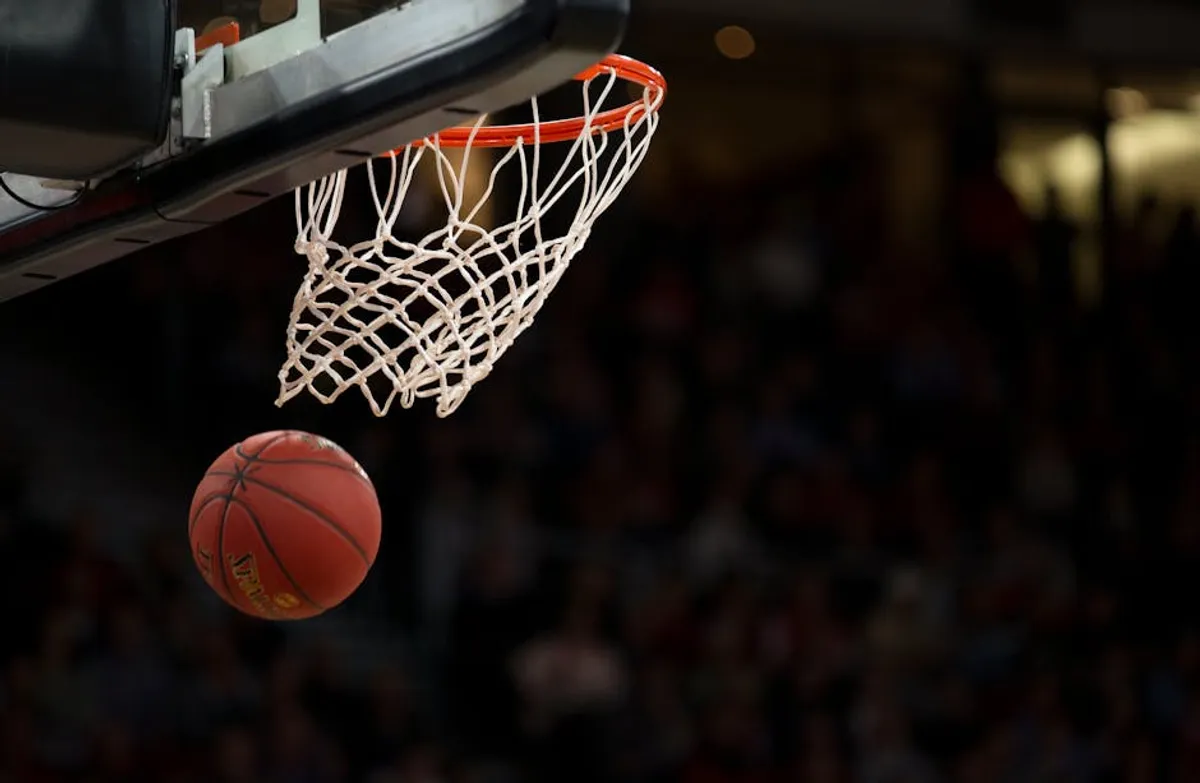
Basketball demands explosive power, rapid changes in direction, and frequent jumping, placing significant stress on an athlete's body. The inherent physicality of the sport, from quick pivots to contested rebounds, makes injury a constant risk. For dedicated players, coaches, and parents, understanding and implementing effective injury prevention strategies is not merely a precautionary measure but a critical investment in sustained performance and long-term health. Proactive measures minimize downtime, extend playing careers, and ensure athletes can consistently perform at their peak, rather than being sidelined by avoidable setbacks.
Understanding Common Basketball Injuries
Basketball injuries span a spectrum from acute trauma to chronic overuse conditions. Recognizing these common issues is the first step toward effective prevention.
- Ankle Sprains: The most frequent injury, often occurring during landing after a jump or from lateral movements. Inversion sprains, where the foot rolls inward, are particularly common.
- Knee Injuries: Patellofemoral pain syndrome (runner's knee), meniscal tears, and anterior cruciate ligament (ACL) tears are significant concerns. ACL injuries, especially, can be career-altering due to non-contact cutting or landing mechanics.
- Finger and Hand Injuries: Jammed fingers, fractures, and dislocations are common from direct impact with the ball or other players.
- Concussions: Head impacts from falls, collisions, or elbows can lead to concussions, requiring careful management and return-to-play protocols.
- Overuse Syndromes: Tendinitis (e.g., patellar tendinitis, Achilles tendinitis), stress fractures, and shin splints develop gradually from repetitive stress without adequate recovery.
Pre-Game and Practice Protocols for Injury Mitigation
Consistent adherence to pre-activity routines significantly reduces injury risk.
Dynamic Warm-up and Flexibility
A proper warm-up prepares muscles, tendons, and ligaments for activity, increasing blood flow and range of motion. Static stretching before activity can reduce power output; dynamic movements are preferred.
Recommended: Incorporate 10-15 minutes of light cardio followed by dynamic stretches. Examples include:
- High knees and butt kicks
- Leg swings (forward/backward, side-to-side)
- Torso twists
- Arm circles
- Walking lunges with a twist
- Carioca and shuffles
Strength, Conditioning, and Agility
Developing overall athletic capacity builds resilience against injury. This extends beyond the court.
Focus areas:
- Lower Body Strength: Squats, lunges, deadlifts, and calf raises strengthen the muscles supporting the knees and ankles.
- Core Stability: Planks, Russian twists, and bird-dog exercises improve balance and control, essential for sudden movements.
- Plyometrics: Box jumps and broad jumps enhance explosive power and teach proper landing mechanics, crucial for reducing impact forces.
- Agility Drills: Cone drills, ladder drills, and shuttle runs improve quickness, coordination, and the ability to change direction safely.
Footwear and Equipment Checks
Appropriate gear provides essential support and protection.
Considerations:
- Basketball Shoes: Choose shoes with adequate ankle support, cushioning, and traction. Replace shoes when the tread wears down or cushioning compresses, typically every 3-6 months for active players.
- Bracing and Taping: Athletes with a history of ankle instability may benefit from ankle braces or prophylactic taping, provided it doesn't restrict necessary movement.
- Court Conditions: Ensure playing surfaces are clean, dry, and free of debris or uneven patches to prevent slips and falls.
Strategies During Play and Training
Injury prevention continues throughout the game or practice session.
Proper Technique and Biomechanics
Correct movement patterns reduce undue stress on joints and soft tissues.
Key techniques:
- Landing Mechanics: Land softly on both feet, bending knees and hips to absorb impact. Avoid landing stiff-legged or on one foot after jumps.
- Pivoting: Maintain a stable base with the pivot foot firmly planted, avoiding excessive twisting of the knee.
- Defensive Stance: Stay low with a wide base to distribute weight and maintain balance during lateral movements.
- Shooting Form: Ensure a balanced stance and fluid motion to prevent strain on the back and shoulders.
Fatigue Management and Hydration
Fatigue compromises technique, reaction time, and decision-making, increasing injury risk.
Best practices:
- Rotation and Substitutions: Coaches should manage player minutes to prevent excessive fatigue, especially during intense practices or games.
- Recognizing Limits: Athletes must learn to recognize signs of fatigue and communicate discomfort, rather than pushing through pain.
- Hydration: Drink water consistently before, during, and after activity. Dehydration can impair physical and cognitive function.
Pro Tip: Implement a "listen to your body" philosophy. Minor aches or persistent discomfort are signals, not weaknesses. Ignoring these early warnings often escalates into more severe injuries requiring prolonged recovery. Consult a sports medicine professional if pain persists beyond a few days or significantly impacts performance.
Post-Activity Recovery and Long-Term Health
Recovery is as crucial as training for preventing overuse injuries and optimizing performance.
Cool-down and Static Stretching
A cool-down gradually lowers heart rate and body temperature, while static stretching improves flexibility and can reduce muscle soreness.
Procedure: 5-10 minutes of light cardio followed by holding stretches for major muscle groups (hamstrings, quadriceps, calves, glutes) for 20-30 seconds each.
Nutrition, Rest, and Sleep
These elements are fundamental for tissue repair and energy restoration.
Guidelines:
- Nutrition: Consume a balanced diet rich in lean proteins for muscle repair, complex carbohydrates for energy, and healthy fats. Adequate intake of vitamins and minerals supports overall health.
- Rest Days: Incorporate scheduled rest days into training regimens to allow the body to recover fully.
- Sleep: Aim for 7-9 hours of quality sleep per night. Sleep is when most physiological recovery and adaptation occur.
Injury Management and Rehabilitation
When injuries do occur, prompt and appropriate action is vital.
Process:
- Early Intervention: Seek medical attention for any significant injury. Early diagnosis and treatment can prevent minor issues from becoming chronic.
- Professional Guidance: Work with physical therapists or athletic trainers for structured rehabilitation programs. Adhering to these programs ensures a safe and effective return to play.
- Gradual Return: Do not rush back to full activity. Follow a progressive return-to-sport protocol to prevent re-injury.
Sustaining Peak Performance and Health
Implementing a comprehensive injury prevention plan requires consistency and a holistic approach. It involves a commitment from athletes to their physical well-being, coaches to proper training methodologies, and support staff to creating safe environments. By integrating dynamic warm-ups, targeted strength and conditioning, meticulous attention to technique, intelligent fatigue management, and dedicated recovery, basketball players can significantly reduce their risk of injury. This proactive stance not only preserves an athlete's physical capabilities but also fosters a more resilient and successful playing career, allowing them to focus on skill development and competitive achievement.
Frequently Asked Questions
What are the most common basketball injuries?
Ankle sprains are the most common, followed by knee injuries (such as ACL tears and patellar tendinitis), finger jams, and concussions. Overuse injuries like shin splints and Achilles tendinitis also occur frequently.
How important is proper footwear for injury prevention?
Proper basketball shoes are crucial. They provide essential ankle support, cushioning for impact absorption, and traction for quick movements, all of which significantly reduce the risk of slips, falls, and joint strain. Worn-out shoes lose these protective qualities.
Can diet and hydration affect injury risk in basketball?
Absolutely. Adequate hydration prevents muscle cramps and fatigue, which can impair coordination and increase injury susceptibility. A balanced diet provides the necessary nutrients for muscle repair, energy production, and overall tissue health, making the body more resilient to the stresses of intense physical activity.
When should an athlete see a doctor for a basketball injury?
An athlete should see a doctor immediately for severe pain, visible deformity, inability to bear weight, loss of consciousness, or persistent swelling. For less acute issues, if pain or discomfort lasts more than a few days, worsens, or significantly limits movement or performance, professional medical evaluation is warranted to prevent chronic problems.