
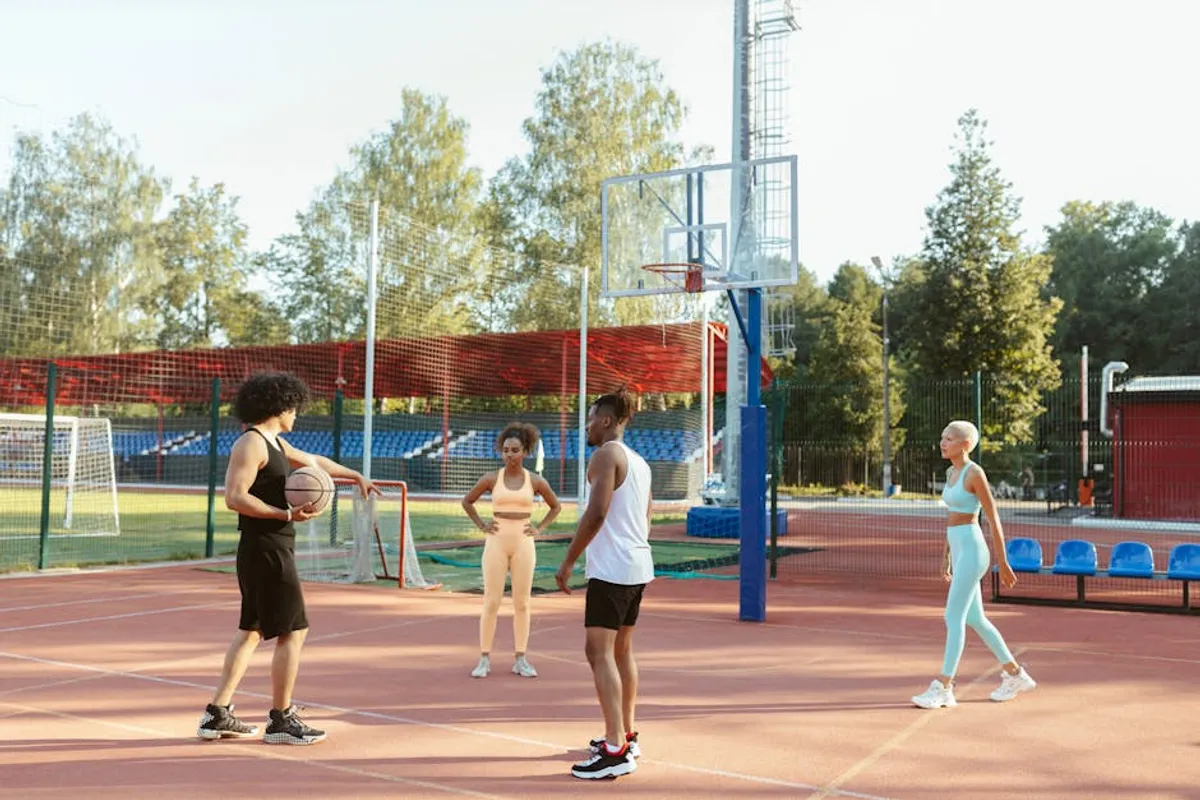
Effective basketball training extends beyond simply practicing shots; it integrates physical conditioning, mental discipline, and tactical understanding to develop a complete player. For individuals or organizations investing in player development, a structured approach is critical for maximizing performance and preventing injury. This overview details the fundamental components and considerations for building a robust basketball training regimen, whether for aspiring athletes, recreational players, or professional teams.
Foundational Pillars of Basketball Development
Any comprehensive basketball training program rests on three core pillars: skill acquisition, physical conditioning, and mental fortitude. Neglecting any one area can limit a player's potential and impact overall team performance. Understanding the interdependence of these elements allows for a more holistic and effective training strategy.
Skill Acquisition and Refinement
Mastering fundamental basketball skills is non-negotiable. Training must focus on repetitive, progressive drills that build muscle memory and adaptability in game situations.
- Shooting Mechanics: This involves form shooting from close range, progressing to mid-range and three-point attempts. Emphasis is placed on proper foot placement, elbow alignment, follow-through, and shot arc. Drills like the Mikan drill develop touch around the rim, while free-throw practice builds consistency under pressure.
- Ball Handling: Developing ambidextrous control is paramount. Drills include stationary dribbling (high, low, crossover, behind-the-back, between-the-legs), moving dribbling with changes of pace and direction, and handling against simulated pressure. Cone drills and obstacle courses enhance agility and control.
- Passing Accuracy and Vision: Players need to execute various passes—chest, bounce, overhead, and baseball passes—with precision and timing. Drills often involve passing to moving targets, passing out of a dribble, and developing court vision to anticipate defensive rotations and open teammates.
- Footwork and Pivoting: Efficient footwork is crucial for offensive moves (jab steps, post moves, drives) and defensive positioning (slides, close-outs). Pivoting drills, jump stops, and balance exercises build stability and quickness.
Physical Conditioning for Peak Performance
Basketball demands a unique blend of strength, speed, agility, and endurance. A tailored conditioning program supports skill execution, reduces fatigue, and minimizes injury risk.
Strength Training: Focuses on functional movements that mimic on-court actions. This includes lower body strength (squats, lunges, deadlifts) for jumping and explosive drives, core strength (planks, Russian twists) for stability and balance, and upper body strength (push-ups, rows, presses) for shooting, rebounding, and defense.
Speed and Agility: These components are critical for fast breaks, defensive recovery, and creating separation. Training incorporates short sprints, shuttle runs, ladder drills, and cone drills designed to improve quick changes of direction, acceleration, and deceleration.
Endurance: Basketball involves intermittent bursts of high-intensity activity. Interval training, such as court sprints with short rest periods, mimics game conditions and builds cardiovascular stamina, allowing players to maintain intensity throughout a game.
Pro Tip: Integrate injury prevention exercises directly into your conditioning routine. Incorporate dynamic warm-ups, static cool-downs, and specific exercises targeting common basketball-related weaknesses, such as ankle stability, knee tracking, and shoulder mobility. Consistent attention here drastically reduces downtime.
Cultivating Mental Toughness and Game IQ
Beyond physical and technical prowess, a player's mental approach significantly influences their performance. This includes decision-making, resilience, and strategic understanding.
Game Intelligence: This involves understanding offensive and defensive schemes, reading opponents, and making quick, effective decisions under pressure. Training can include film study, whiteboard sessions, and scenario-based drills that force players to react to changing game situations.
Focus and Resilience: Basketball is a game of runs and momentum shifts. Mental training helps players maintain focus, manage frustration, and bounce back from mistakes. Visualization techniques, mindfulness exercises, and goal-setting contribute to a stronger mental game.
Structuring a Progressive Training Program
An effective training program is not static; it evolves with the player's development and the demands of the season. Periodization—dividing the training year into distinct phases—is a common strategy.
Off-Season Training: This phase focuses on building a strong physical foundation, addressing weaknesses, and developing new skills. Intensity is high, and volume is significant, without the immediate pressure of games.
Pre-Season Training: Transitions players from general conditioning to game-specific readiness. Intensity remains high, but the focus shifts to integrating skills into team concepts and improving game speed and conditioning.
In-Season Training: The primary goal is to maintain peak performance, manage fatigue, and prevent injury. Training sessions are shorter and more focused, emphasizing skill refinement, tactical adjustments, and recovery.
Post-Season Training: A period of active recovery, allowing players to rest physically and mentally while maintaining a baseline level of fitness.
Optimizing Your Basketball Training Approach
For any individual or entity overseeing basketball development, key considerations include personalized coaching, consistent effort, and data-driven adjustments. A one-size-fits-all approach rarely yields optimal results. Tailoring drills and conditioning to a player's specific needs, strengths, and weaknesses accelerates progress. Furthermore, consistent, deliberate practice, even in short bursts, is more effective than infrequent, marathon sessions. Monitoring progress through measurable metrics—such as shooting percentages, sprint times, or vertical leap—allows for objective assessment and informed program modifications. The ultimate goal is to foster continuous improvement, translating dedicated practice into enhanced on-court performance.
Frequently Asked Questions About Basketball Training
What is the ideal frequency for basketball training?
For serious athletes, 4-6 days per week, balancing skill work, conditioning, and recovery, is common. Recreational players might benefit from 2-3 focused sessions weekly to maintain and improve skills.
At what age should a player begin specialized basketball training?
General athletic development and fundamental movement skills are crucial for younger children (ages 6-10). Specialized basketball skill training typically becomes more effective and beneficial from ages 10-12 onwards, as motor skills and cognitive abilities mature.
How important is strength training for basketball players?
Strength training is highly important. It improves explosiveness for jumping and sprinting, enhances defensive stability, increases shot power, and significantly reduces the risk of common basketball injuries by strengthening supporting muscles and connective tissues.