
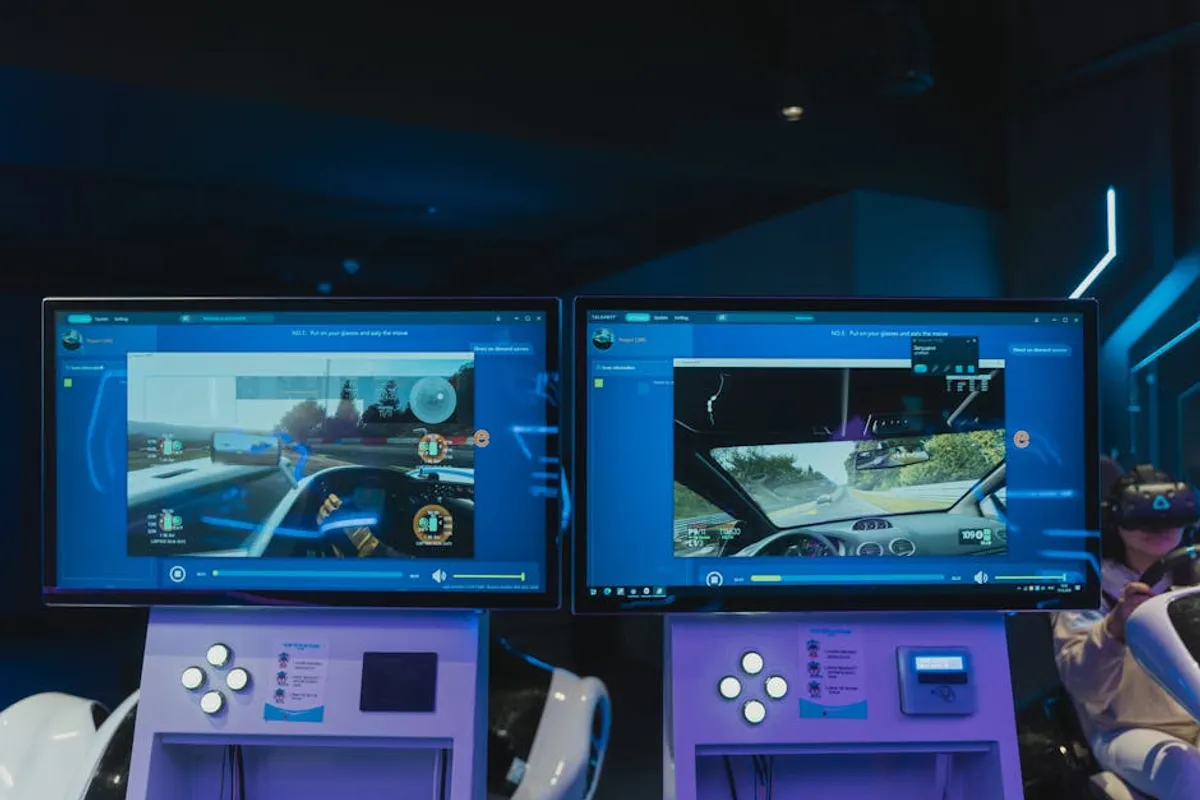
The pre-release phase for video games has evolved from simple trailer drops to a complex, multi-channel engagement strategy. Publishers and developers now navigate a landscape where audience attention is fragmented, and expectations for transparency and interactivity are high. Understanding current game preview trends is critical for securing market share, driving early adoption, and cultivating a loyal player base before launch. Effective preview strategies move beyond mere announcement, aiming to build genuine anticipation and convert interest into tangible commercial outcomes, from wishlists to pre-orders and sustained post-launch engagement.
The Evolving Landscape of Pre-Release Engagement
Interactive Experiences and Playable Demos
Traditional cinematic trailers remain foundational, but their impact is increasingly augmented by interactive elements. Playable demos, once confined to physical events, are now widely distributed through digital storefronts or dedicated web portals. These experiences allow potential players to directly engage with core gameplay mechanics, graphics, and narrative snippets, often for a limited time. This direct interaction reduces purchasing friction by addressing common player anxieties about game quality and fit.
Commercial Utility: Playable demos directly influence pre-order rates by providing concrete evidence of a game's appeal, reducing speculative purchases. They also generate valuable early feedback on performance and player experience, allowing for pre-launch adjustments that can mitigate negative sentiment upon release.
Influencer-Driven Content and Early Access
The rise of content creators on platforms like Twitch and YouTube has transformed how games are previewed. Publishers increasingly leverage partnerships with established streamers and YouTubers, offering them exclusive early access to builds or specific content segments. This strategy capitalizes on the influencer's existing audience and their perceived authenticity, often generating more organic and trustworthy buzz than traditional advertising. Influencer coverage can range from first impressions and gameplay streams to in-depth analysis and narrative playthroughs.
Commercial Utility: This approach provides highly targeted exposure to relevant demographics, often at a lower cost per impression than broad advertising campaigns. It also cultivates a sense of community ownership and excitement, as fans follow their favorite creators' journeys with the game, translating into increased wishlists and launch day purchases.
Deep Dives and Narrative Transparency
Beyond short, punchy trailers, there's a growing trend towards comprehensive, documentary-style previews. These include "developer diaries," behind-the-scenes looks at game creation, and extended gameplay presentations with developer commentary. This content provides context for design choices, showcases technical achievements, and elaborates on narrative elements without spoiling key plot points. It caters to a more invested audience seeking deeper understanding and connection with the creative process.
Commercial Utility: This strategy builds a strong emotional connection with the game and its creators, fostering a dedicated community that is more likely to advocate for the title. It also addresses skepticism by openly discussing development challenges and design philosophies, establishing trust and managing expectations effectively.
Leveraging Community and Data for Impact
Community Integration and Feedback Loops
Modern game previews often involve integrating community feedback directly into the development cycle. This includes structured alpha and beta tests, public playtests, and dedicated forums where players can report bugs, suggest features, and discuss their experiences. This trend moves beyond simply showcasing a game to actively involving players in its refinement.
Commercial Utility: Involving the community early fosters a sense of investment and loyalty, turning players into advocates. This iterative feedback loop helps developers identify and address potential issues before launch, reducing the risk of negative reviews and improving the overall quality and reception of the final product. Key aspects include:
- Structured Alpha/Beta Programs: Targeted testing phases for core mechanics and stability.
- Public Playtests: Open sessions to gather broad feedback and stress-test infrastructure.
- Dedicated Feedback Channels: Forums, Discord servers, and in-game reporting tools for direct player input.
- Content Creator Collaborations: Engaging influencers to solicit and amplify community feedback.
- Post-Launch Roadmap Previews: Communicating future content plans to maintain engagement.
Personalized Content Delivery
As data analytics become more sophisticated, game publishers are beginning to tailor preview content based on individual user preferences and historical engagement. This might involve dynamic ad creatives that highlight specific genres or gameplay mechanics a user has shown interest in, or personalized email campaigns with exclusive content reveals based on their wishlist history. The goal is to deliver the most relevant preview experience to each potential player.
Commercial Utility: Personalized previews increase engagement rates and conversion efficiency by presenting content that resonates directly with the individual's interests. This optimizes marketing spend by reducing wasted impressions and improving the likelihood of a wishlist addition or pre-order.
Pro Tip: Authenticity is paramount in game previews. Over-promising features or showcasing content that significantly deviates from the final product can severely damage player trust and lead to widespread negative sentiment. Focus on delivering honest, representative glimpses of the game's current state and future vision, even if it means acknowledging limitations.
Strategic Considerations for Game Publishers
Navigating the evolving game preview landscape requires a strategic, multi-pronged approach. Publishers should integrate interactive elements, cultivate influencer relationships, and maintain transparent communication with their communities. This involves not just showcasing the game, but also building a narrative around its development and future. Investing in data analytics to personalize content delivery ensures that preview efforts are efficient and impactful, reaching the right audience with the most compelling message. The objective is to foster genuine excitement and commitment from potential players, transforming early interest into sustained commercial success.
Frequently Asked Questions
What is the primary goal of a game preview?
The primary goal of a game preview is to generate anticipation, build a community of interested players, and drive commercial actions such as wishlisting, pre-orders, and ultimately, sales upon release. It aims to inform and excite potential buyers about the game's core appeal.
How do interactive demos benefit game publishers?
Interactive demos allow potential players to experience the game firsthand, reducing purchasing uncertainty and increasing conversion rates for pre-orders. They also provide valuable early feedback for developers, helping to identify and resolve issues before the official launch.
Why are influencers crucial for modern game previews?
Influencers offer authentic reach to highly engaged and targeted audiences. Their endorsements and gameplay showcases are often perceived as more trustworthy than traditional advertising, generating organic buzz and driving significant interest and wishlists for upcoming titles.
What role does community feedback play in game preview strategies?
Integrating community feedback through alpha/beta tests and forums fosters a sense of player investment and loyalty. It allows developers to refine the game based on real-world player experiences, mitigating post-launch issues and cultivating a strong, supportive player base.