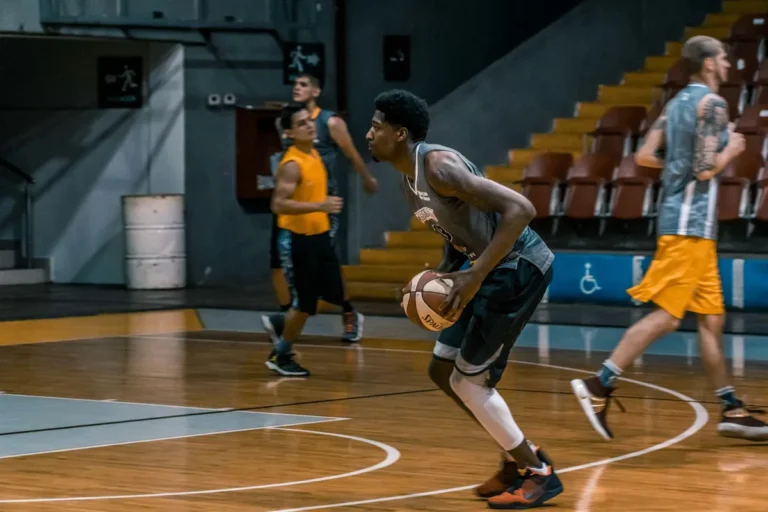
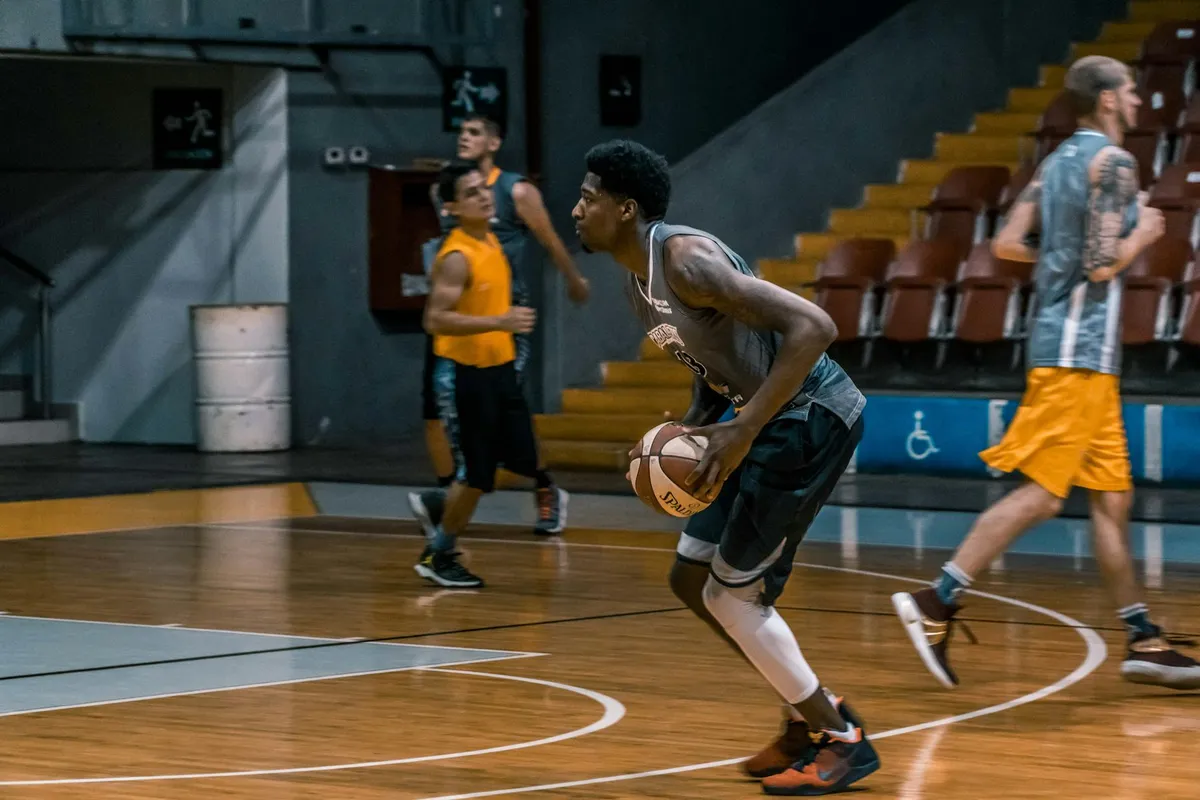
Slovak basketball produces a steady stream of players who develop locally before moving to bigger clubs in stronger leagues. The pattern is reliable enough that bigger clubs scout Slovak basketball specifically for emerging talent.
The local coaching that produces these players deserves examination. The patterns reveal what good basketball development looks like even within resource-limited contexts.
The pattern
Slovak players who eventually move to stronger leagues typically:
Develop fundamentals in club youth programs from young ages.
Play substantial minutes with senior teams in their late teens and early twenties.
Demonstrate specific skill development that scouts recognize.
Move to leagues offering better competition or compensation when opportunities emerge.
The pattern isn't universal — many players don't develop sufficiently for international moves. The pattern is consistent enough that the development infrastructure clearly works for substantial portions of talent.
What local coaches do well
Several patterns characterize effective Slovak local coaching:
Fundamental skill emphasis. Many local coaches emphasize fundamental skill development substantially. Players develop solid fundamentals that support continued development at higher levels.
Long-term development focus. Many coaches focus on long-term player development rather than short-term tournament results. The patience pays back through better senior development.
Multiple-position development. Many young players develop across multiple positions rather than specializing too early. The versatility supports continued development as bodies and games change.
Competitive scrimmage culture. Local programs often have substantial scrimmage culture that develops competitive instincts.
Personal coach-player relationships. Smaller programs allow substantial personal relationships between coaches and players that support specific individual development.
The patterns aren't universal but they characterize effective programs.
What local coaches do less well
Specific limitations of local coaching:
Limited exposure to highest-level basketball. Local coaches often have limited direct exposure to top-tier basketball. Specific advanced concepts and recent development may not reach local programs quickly.
Variable coaching education. Coaching capability varies substantially across programs. Top programs have strong coaching; many programs have less developed coaching.
Limited resources for specialized development. Programs lack resources for specialized development support (strength and conditioning, performance analysis, sports science). Players often develop without these supports until they reach higher levels.
Limited international competition exposure. Players develop primarily within Slovak basketball context. International competition exposure that would benefit development is limited.
Coaching turnover. Programs sometimes have substantial coaching turnover that disrupts long-term development relationships.
The limitations are real but addressable through specific improvements.
Specific successful development examples
Without naming specific players (sensitive in current professional contexts), the development patterns include:
Players who developed in Slovak youth programs and now play in stronger European leagues.
Players who reached substantial international careers through Slovak development foundation.
Players who returned to Slovak basketball after international careers and now contribute to development of next generation.
Coaches who developed in Slovak basketball and now coach internationally.
The examples demonstrate what Slovak development can produce when conditions support it.
What scouts look for
Scouts who recruit Slovak players look for specific traits:
Fundamental skill quality. Solid fundamentals that suggest continued development capacity.
Basketball intelligence. Understanding of game situations beyond just physical capability.
Competitive instincts. Players who compete substantively in their current contexts.
Physical development potential. Players whose physical attributes suggest continued development.
Character indicators. Players whose conduct suggests they'll handle higher-level basketball appropriately.
Specific position skills. Players whose specific position-related skills suit higher-level needs.
Players with multiple of these traits attract substantial scouting attention.
The substitution effect
One concerning pattern: developmental success can hurt local clubs.
Clubs that develop substantial players often see those players moved to bigger clubs.
The transfer revenue helps clubs financially but doesn't replace the on-court contribution.
Cycles of development followed by departure can leave clubs in continuously rebuilding modes.
Some clubs respond by underdeveloping players to keep them longer (counterproductive).
The healthier response is continued investment in development with realistic expectations about player retention.
Buildings of programs requires accepting development-driven turnover.
What development infrastructure produces best results
Programs that consistently produce talent share characteristics:
Substantial youth program with meaningful coaching investment.
Clear development pathway from youth to senior teams.
Coaching continuity over multi-year periods.
Reasonable facilities and equipment.
Connection to broader basketball networks (other clubs, federation programs, international relationships).
Stable institutional support (financial and political).
The combination produces sustainable development. Programs missing significant elements typically produce less consistent results.
The federation's role
The Slovak basketball federation affects development through:
National team programs that support specific players.
Coaching education programs.
League structure decisions.
International basketball relationship management.
Resource allocation across programs.
Federation choices affect what development infrastructure can accomplish. Better federation engagement produces better aggregate Slovak basketball development.
The role of international competition
International competition exposure substantially benefits development:
Specific tournaments and friendly matches provide development opportunities.
European youth programs offer specific exposure.
Top-tier club connections provide specific player development opportunities.
Coaching exchange programs benefit specific coaches.
International exposure is somewhat limited for Slovak basketball. Expanding exposure would benefit development substantially.
What I'd like to see
Improvements that would benefit Slovak basketball development:
Standardized youth development guidelines that clubs can implement.
Stronger coaching education infrastructure.
Better international competition exposure for developing players.
More substantial financial support for youth programs at clubs that can't afford full investment independently.
Better data and analysis support for player and program development.
Strengthened relationships with top European programs for player exchange.
Each improvement is achievable with sustained commitment.
What individual coaches can do
Local coaches who want to improve their development capability:
Engage with available coaching education aggressively.
Build connections with coaches at higher levels.
Study international basketball substantively.
Maintain long-term focus on player development rather than short-term tournament results.
Develop specific specialty (offensive systems, defensive concepts, specific position development) that adds value.
Communicate substantially with players about development paths.
Individual coach development substantially affects what programs accomplish.
What individual players can do
Young players who want to develop substantially:
Work substantially on fundamentals beyond what coaches require.
Watch substantial high-level basketball substantively.
Engage with multiple coaches and styles when opportunities allow.
Take physical development seriously beyond basketball-specific work.
Build basketball-specific habits (game film review, off-ball training, etc.).
Develop substantial communication with current and prospective coaches.
Player initiative substantially affects development trajectories.
The overall trajectory
Slovak basketball development continues to produce substantial talent for international leagues. The trajectory is sustainable rather than declining.
Specific improvements could expand what we produce. The improvements are within reach through specific investments and decisions.
Basketball development is multi-generational work. Sustained commitment produces substantial results across decades.
The continuation matters substantially for Slovak basketball culture and for the players whose careers it supports.
The honest summary
Slovak basketball produces players bigger clubs eventually sign through development infrastructure that punches above its weight. The infrastructure has specific strengths and specific limitations.
For players considering Slovak basketball as development context, the system offers reasonable foundation. Specific improvements are achievable through individual initiative.
For coaches working in Slovak basketball, the work matters substantially. Players develop through coach commitment that extends beyond what compensation typically reflects.
For broader Slovak basketball culture, the development success is real but improvement opportunities exist substantially.
For bigger European clubs, Slovak basketball deserves continued attention as source of substantial talent.
The development continues. The players develop. The system works for substantial portions of talent. The continuation matters for everyone involved with Slovak basketball at any level.
Up Slovak basketball. Up local coaching. Up the development that continues to produce real basketball talent despite resource constraints that bigger basketball ecosystems don't face.