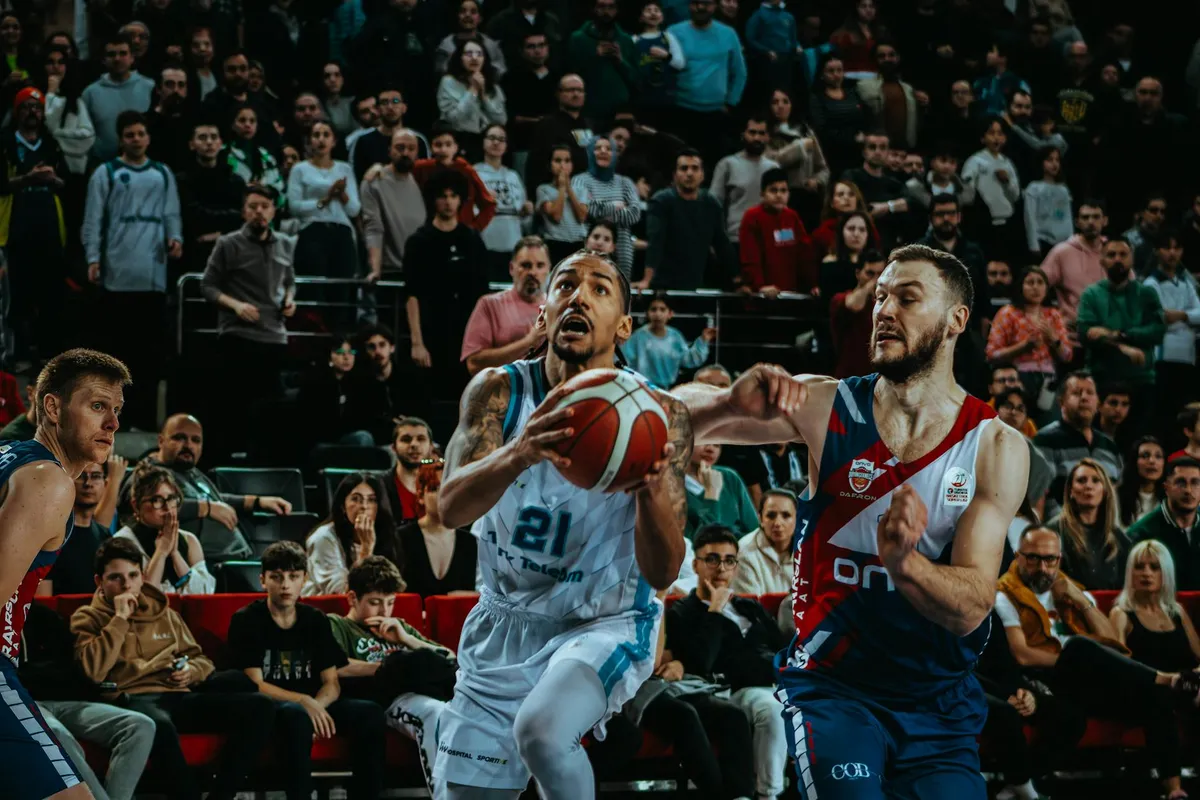
Slovakia is a country of about 5.4 million people. By population alone, we shouldn't produce many internationally competitive basketball teams or notable individual players. We produce more than the population would predict.
Slovak basketball punches above its weight. Some specific factors explain this. Some specific areas could improve substantially.
This is the honest take from someone who follows the system closely.
What we actually produce
Slovak basketball produces:
Several substantial professional clubs that compete in domestic league and occasionally European competitions.
Substantial youth development pipeline that produces players for our domestic league and occasionally for European leagues.
National team that's been competitive in European tournaments though not at the top tier.
Several individual players who have established careers in stronger European leagues.
Coaches who have developed substantial European reputations.
For our population, this is substantial output. Many larger countries produce comparable or worse results.
Why we produce what we do
Specific factors contribute:
Cultural respect for basketball. Basketball has substantial cultural standing in Slovakia. Children play it. Schools include it. The cultural foundation supports continued development.
Coaching tradition. Slovak coaching has substantial tradition. Specific coaches have produced substantial development across decades.
Regional context. Central European basketball culture extends across multiple countries with similar traditions. Players develop within broader regional context that supports specific development patterns.
Reasonable youth infrastructure. Specific clubs have substantial youth development capability. Not all clubs at all levels, but enough to produce continuous talent development.
Professional league that supports development. The domestic league provides path for developing players to gain professional experience without requiring international moves at young ages.
Basketball-friendly cultural environment. Compared to dominantly soccer-focused countries, Slovakia has reasonable cultural space for basketball alongside other sports.
The combination produces continued basketball output despite population limits.
Where we could improve
Specific areas where Slovak basketball could improve substantially:
Youth development standardization. Quality varies substantially across clubs. The best clubs produce strong development; many clubs don't. Standardizing development practices across clubs would expand the talent pool.
Coaching education investment. Coaches develop largely through experience rather than systematic education. Better coaching education infrastructure would improve aggregate coaching quality.
Facilities and equipment. Many clubs operate with substantial facility limitations. Better facilities at more clubs would support better development.
Connection to international basketball. Slovak basketball is somewhat insulated from highest-level European basketball. Better connections to top European programs would benefit player development.
Professional opportunities. Limited domestic professional opportunities mean talented players often must move abroad. Strengthening domestic professional opportunities would benefit both players and broader Slovak basketball.
Long-term institutional planning. Specific clubs have substantial planning. The federation level could benefit from more substantial long-term planning.
None of these are insurmountable. All would produce real improvement.
The Serbian comparison
Comparing to Serbia (a country of similar population that produces substantially more basketball talent):
Serbia has more substantial youth basketball infrastructure across more clubs.
Serbia has stronger coaching education tradition.
Serbia has more substantial professional league with stronger competition.
Serbia has deeper integration with European basketball circuits.
Serbian basketball culture is more dominantly basketball-focused.
The combination produces substantially more basketball talent in Serbia than in Slovakia despite similar populations.
Serbia represents what stronger basketball infrastructure could produce. Some elements are replicable; some reflect specific cultural factors that aren't.
The Czech comparison
Comparing to Czech Republic (similar population, similar regional context):
Czech basketball produces somewhat more talent than Slovak basketball.
Specific clubs (CEZ Basketball Nymburk and others) compete substantively in European competition.
Youth development infrastructure is somewhat more developed.
National team has been somewhat more competitive.
The differences are real but smaller than Slovakia vs Serbia.
Czech Republic represents achievable improvement for Slovak basketball with comparable resources and regional context.
What individual fans can do
For fans wanting to support better Slovak basketball:
Attend club games. Domestic league attendance supports the league economically.
Engage with youth basketball. Volunteer coaching, equipment donations, attendance at youth games.
Support media coverage. Local basketball media depends on engagement to sustain itself.
Engage substantively in basketball discussion. Substantive discourse about Slovak basketball produces better culture.
Travel to support national team. Away games for national team benefit from traveling fan support.
Each individual contribution is small. Cumulative contributions support better basketball culture.
What clubs could do
For clubs interested in improving:
Invest substantially in youth development. The investment pays back through better senior teams and through transfer revenue.
Develop coaching capability internally. Strong coaching education programs produce strong coaches.
Build facility quality where possible. Better facilities support better development.
Engage with international basketball networks. International connections benefit clubs and players.
Plan long-term. Year-to-year management produces year-to-year results. Long-term planning produces sustained development.
Many improvements are within club control rather than requiring federation action.
What the federation could do
Federation-level improvements that would benefit Slovak basketball:
Strengthen coaching education infrastructure.
Develop standardized youth development guidelines that clubs can implement.
Build better international connections through specific partnerships.
Support domestic league development through specific investments.
Improve facility infrastructure where federation has authority.
Develop long-term strategic planning processes.
Federation actions affect aggregate Slovak basketball substantially.
The realistic future
Looking forward:
Slovak basketball will continue to produce talent at roughly current rates without substantial intervention.
Specific improvements (better youth development, better coaching) could expand talent production substantially.
Top-tier European competition is unlikely without substantial systemic improvement.
Continued competitive middle-tier presence is achievable.
The realistic future is specific incremental improvement rather than dramatic transformation.
Incremental improvement still matters substantially. Better Slovak basketball produces better outcomes for players, fans, and clubs.
What I love about Slovak basketball
Despite the limitations, Slovak basketball has substantial value:
The cultural significance of clubs in their communities is real.
Local engagement with games produces specific community benefit.
Player development opportunities exist for talented Slovak players.
The basketball produces real entertainment and competitive sport.
The regional rivalries and connections add character to the sport.
Slovak basketball matters to its participants and supporters even when it's not at top European level.
The honest summary
Slovak basketball punches above its population weight through specific factors. Specific improvements could substantially expand what we produce. The improvements are achievable through specific actions at multiple levels.
For fans, recognition of what we have plus what we could become enables better engagement. Realistic expectations combined with active support produces good outcomes.
For clubs and federation, specific improvement opportunities exist. Implementation requires sustained commitment but produces real returns.
For players, the system provides reasonable development opportunities with specific limits that affect career trajectories.
Slovak basketball is real basketball. Not at the highest level, but substantively present. The continuation matters substantially for participants and the broader Slovak sporting culture.
Up the system. Up the improvements that are possible. Up the basketball we have and the basketball we could have.