
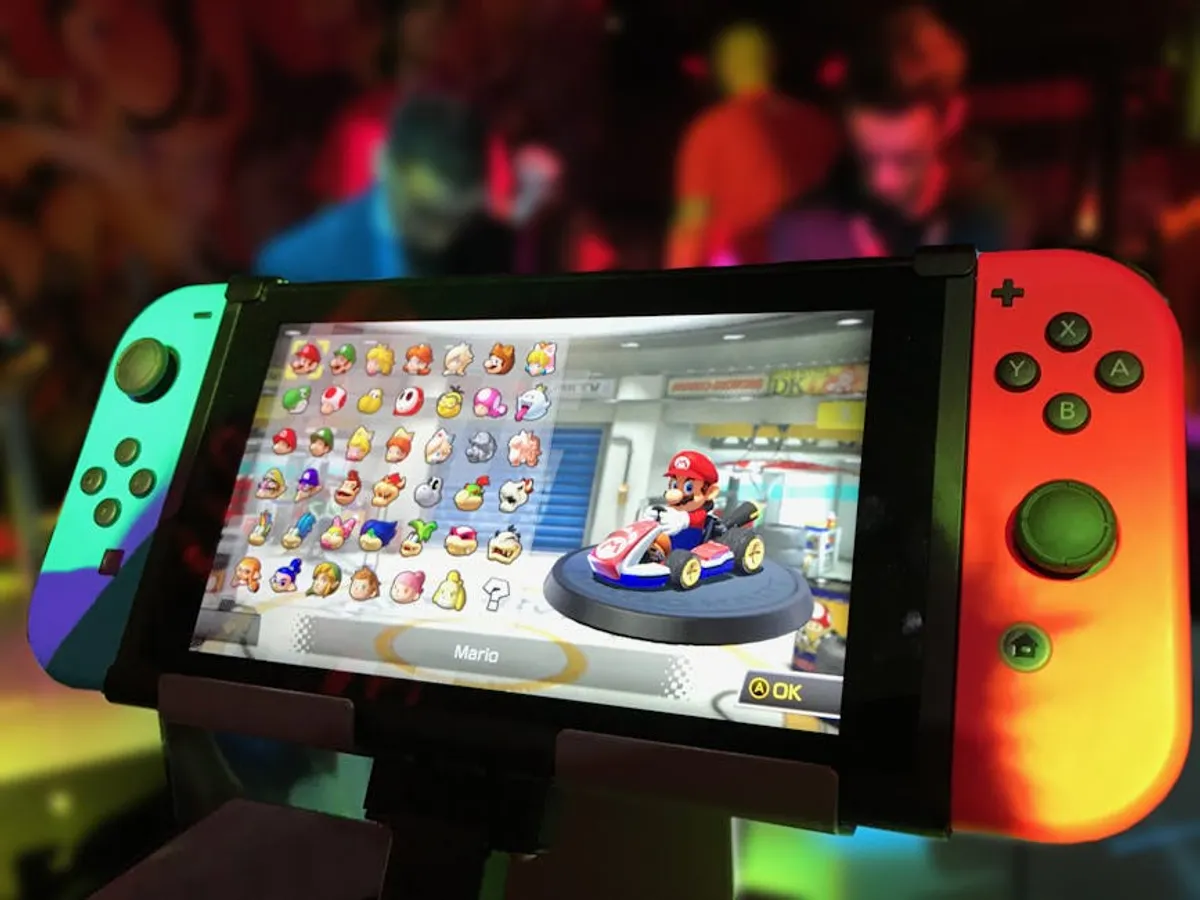
Super Smash Bros. has cemented its position as a cornerstone of competitive gaming and a cultural phenomenon, drawing in millions across generations. Its enduring appeal stems from a deceptively simple premise: iconic characters from diverse gaming universes battling it out. For anyone looking to understand its sustained market relevance, whether as a player or an industry observer, grasping its core components—the expansive character roster, fundamental gameplay mechanics, and accessible entry points for new players—is essential. This exploration provides a foundational understanding of what makes Smash Bros. a perennial performer in the gaming landscape.
Understanding the Roster: Iconic Characters and Their Impact
The Super Smash Bros. series is defined by its expansive and continually growing roster of characters, drawing from Nintendo's vast intellectual property and incorporating guest fighters from other publishers. Each character is more than just a skin; they represent distinct playstyles, move sets, and strategic approaches, contributing significantly to the game's depth and replayability.
- Veterans & Vanguard: Core characters like Mario, Link, and Pikachu offer familiar move sets that serve as foundational entry points for new players, reflecting their status as gaming icons. Their consistent inclusion across titles reinforces brand recognition and player loyalty.
- Strategic Diversity: The roster includes archetypes such as heavy hitters (e.g., Bowser, Ganondorf), agile rushdown characters (e.g., Fox, Captain Falcon), projectile zoners (e.g., Samus, Young Link), and unique technical fighters (e.g., Olimar, Shulk). This variety ensures a broad appeal and supports a complex competitive meta-game.
- Guest Fighters & Market Expansion: The inclusion of characters from non-Nintendo franchises, such as Cloud Strife (Final Fantasy), Steve/Alex (Minecraft), and Sora (Kingdom Hearts), serves a dual purpose. It generates significant hype upon announcement, attracting new players from those respective fanbases, and demonstrates the game's broad commercial reach beyond Nintendo's ecosystem. These additions are strategic moves that expand the game's addressable market and maintain cultural relevance.
The careful curation and balancing of this diverse cast are critical. Each character's unique attributes necessitate different strategies, fostering a vibrant competitive scene where players specialize in specific fighters or adapt to counter opponents.
Core Gameplay Mechanics: Accessible Entry, Deep Mastery
At its heart, Super Smash Bros. simplifies the traditional fighting game formula while introducing unique mechanics that contribute to its distinctive feel and competitive depth. Unlike health bars, the objective is to increase an opponent's "damage percentage" and then launch them off the stage.
Damage Percentage & Knockback: As characters take damage, their percentage increases. Higher percentages mean they are launched further by subsequent attacks. This core mechanic creates dynamic matches where comebacks are always possible, and every hit matters, especially at high percentages.
Movement & Recovery: Movement is fluid, incorporating running, jumping, and air dodging. Recovery options, using special moves and additional jumps to return to the stage after being launched, are crucial. Understanding character-specific recovery tools is a fundamental skill for survival.
Attack Types:
- Standard Attacks: Quick, low-damage hits, often used for combo starters or quick jabs.
- Smash Attacks: Chargeable, high-knockback attacks, primarily used for launching opponents off-stage.
- Special Attacks: Unique to each character, these moves (performed with the 'B' button) define a fighter's core toolkit, ranging from projectiles to command grabs and recovery moves.
- Aerial Attacks: Attacks performed while airborne, essential for juggling opponents and edge-guarding.
These mechanics combine to create a system that is easy for newcomers to pick up—a simple button press often results in a recognizable character action—but offers significant room for advanced techniques, combo execution, and strategic decision-making.
Pro Tip: For new players, focus initially on understanding one or two characters' basic movement and special moves. Overwhelming yourself with the entire roster's intricacies too early can hinder fundamental skill development. Consistency with a few characters builds transferable skills faster than superficial knowledge of many.
Beginner Tips for Competitive Play
Entering the Super Smash Bros. competitive scene can seem daunting given its depth and the skill level of experienced players. However, a structured approach to learning can accelerate progress.
Master Basic Movement and Defense
Before focusing on offense, solidify your defensive and movement capabilities. This includes:
- Shielding: Holding the shield button blocks most attacks. Learn when to shield to negate damage or punish predictable attacks.
- Dodging: Air dodges and spot dodges (on the ground) provide temporary invincibility. Use them to avoid attacks, especially when recovering or escaping pressure.
- Grabbing: Grabs bypass shields. Learn to grab opponents who shield excessively, and understand your character's throw options for starting combos or positioning.
- Recovery Practice: Spend time in training mode intentionally falling off-stage and practicing your character's recovery moves until it becomes second nature. A strong recovery prevents early KOs.
Understand "Disadvantage State"
When you are being juggled, pressured off-stage, or otherwise unable to act freely, you are in a "disadvantage state." Learning to escape these situations is critical. This involves:
- DI (Directional Influence): Holding the control stick in specific directions while being hit can alter your trajectory, making it harder for opponents to follow up with combos or launch you off-stage.
- Escape Options: Utilize aerial attacks, air dodges, or specific special moves to break out of combos or return to a neutral position.
Focus on One or Two Characters
While experimenting is fun, dedicating practice time to a limited number of characters allows for deeper understanding of their strengths, weaknesses, and optimal playstyles. This specialization builds muscle memory and strategic insight more effectively than constantly switching fighters.
Analyze and Adapt
Watch high-level gameplay, both of your main character and of general competitive matches. Pay attention to how players manage space, punish mistakes, and adapt to different matchups. After your own matches, reflect on what worked and what didn't. Identifying patterns in your own play and your opponents' is a crucial step towards improvement.
Sustaining Engagement and Skill Development
Super Smash Bros. maintains its robust player base and competitive viability through consistent engagement. The game rewards continuous learning and adaptation. Regular practice, participation in local or online tournaments, and active engagement with the community are all avenues for skill development. The evolving meta-game, driven by player innovation and occasional balance adjustments, ensures that the strategic landscape remains fresh, providing ongoing challenges and opportunities for mastery.
Frequently Asked Questions
What makes Super Smash Bros. different from other fighting games?
Unlike traditional fighting games that focus on reducing a health bar, Super Smash Bros. centers on increasing an opponent's damage percentage to launch them off the stage, introducing unique recovery and stage control mechanics.
How many characters are typically in a Super Smash Bros. game?
The roster size has grown significantly across titles, with the latest iteration, Super Smash Bros. Ultimate, featuring over 80 unique fighters, including DLC additions.
Is Super Smash Bros. considered a serious competitive game?
Yes, it has a highly active and dedicated competitive scene with major tournaments, professional players, and a complex meta-game, particularly for titles like Melee and Ultimate.
What is the best way to improve quickly as a beginner?
Focus on mastering fundamental movement, defense, and recovery. Select one or two characters to specialize in, practice consistently, and analyze your gameplay and that of experienced players to identify areas for improvement.