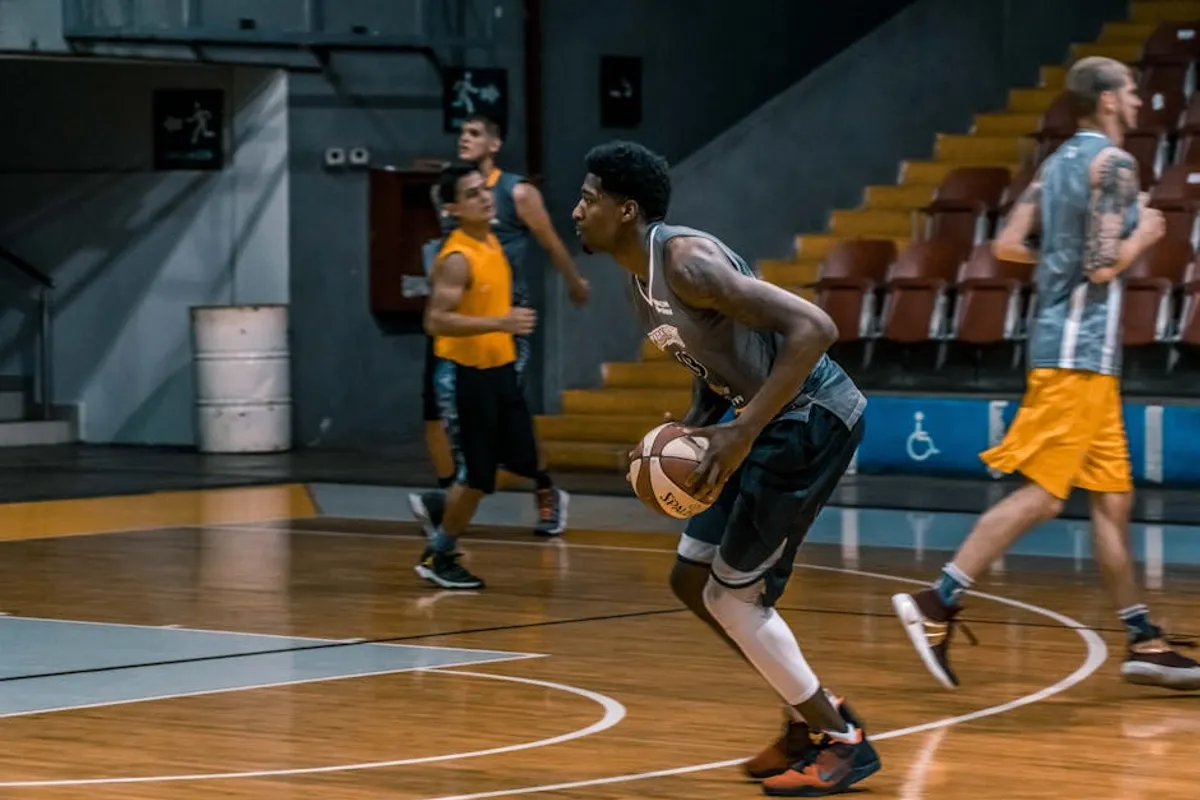
Embarking on basketball training as a beginner requires a structured approach to build a solid foundation. Without a clear plan, new players often develop inefficient habits or become overwhelmed by the sport's technical and physical demands. This guide outlines the essential components of beginner basketball training, focusing on fundamental skills, physical conditioning, and effective practice methodologies to ensure a productive and rewarding start.
Establishing Your Foundation: Core Skills
Success in basketball stems from proficiency in fundamental skills. Consistent, deliberate practice of these core techniques is more valuable than attempting advanced maneuvers too early. Focus initially on form and repetition over speed or power.
Mastering Ball Handling
Effective dribbling allows control of the ball under pressure and creates opportunities for passing or scoring. Beginners should prioritize comfort and control with both hands.
- Stationary Dribbling: Practice dribbling in place with your fingertips, keeping your eyes up. Alternate between low, quick dribbles and higher, more powerful dribbles. Focus on maintaining control without looking at the ball.
- Crossover Dribble: Once comfortable stationary, introduce the crossover. Start slowly, pushing the ball from one hand to the other in front of your body. The goal is to keep the ball low and maintain a consistent rhythm.
- Pound Dribble: This involves dribbling the ball with maximum force, pushing it hard into the ground. It develops hand strength and ball control, crucial for handling pressure.
Best for: Developing hand-eye coordination, finger strength, and fundamental ball control necessary for all offensive actions.
Precision Passing Techniques
Passing is the quickest way to move the ball and create scoring chances. Beginners should learn the chest pass and bounce pass, focusing on accuracy and timing.
- Chest Pass: Hold the ball with both hands at chest level, step forward, and push the ball directly to your target. Extend your arms fully, snapping your wrists downwards for backspin. Practice with a partner or against a wall.
- Bounce Pass: Similar to the chest pass, but aim for a spot on the floor about two-thirds of the way to your target. The ball should bounce up to your teammate's waist level. This pass is effective for avoiding defenders.
Key consideration: Always step towards your target and follow through with your hands, pointing them towards the receiver.
Developing Shot Form
Proper shooting form is critical for consistency and accuracy. Beginners should start close to the basket, focusing solely on mechanics before increasing distance.
- Form Shooting: Stand directly in front of the basket, about 3-5 feet away. Use one hand to shoot, with the other hand supporting the ball. Focus on the "BEEF" acronym: Balance, Eyes (on the rim), Elbow (under the ball), Follow-through (hand in the cookie jar). Shoot 10-15 shots from various spots close to the hoop, retrieving your own rebounds.
- Mikan Drill: This drill improves touch around the basket and develops both left and right-hand layups. Stand under the basket, shoot a right-hand layup, catch it, pivot, and immediately shoot a left-hand layup. Repeat continuously for 30-60 seconds.
Practical application: Repetition of correct form builds muscle memory, which is essential for shooting under game pressure.
Essential Footwork
Footwork underpins every movement in basketball, from defense to offense. Proper footwork provides balance, agility, and efficiency.
- Pivot Drills: Learn to pivot on either foot while holding the ball. This allows you to change direction, protect the ball, and create space. Practice front pivots and reverse pivots.
- Defensive Slides: Start in a low defensive stance, moving laterally without crossing your feet. Stay low, push off your outside foot, and maintain balance. This builds lateral quickness and defensive positioning.
Benefit: Improves balance, agility, and the ability to react quickly to game situations.
Building Athleticism: Physical Preparedness
Basketball is a physically demanding sport. Developing foundational athleticism enhances performance, reduces injury risk, and supports skill development.
Cardiovascular Endurance
The ability to run, sprint, and recover throughout a game is crucial. Incorporate activities that elevate your heart rate for sustained periods.
- Interval Running: Alternate between short bursts of sprinting (30-60 seconds) and active recovery (jogging or walking for 1-2 minutes). Repeat for 15-20 minutes. This mimics the stop-and-go nature of basketball.
- Jump Rope: An excellent tool for improving foot speed, coordination, and stamina. Start with 5-10 minute sessions, gradually increasing duration and intensity.
Impact: Improves stamina for continuous play and quicker recovery between intense efforts.
Strength and Agility Drills
Functional strength and agility contribute to jumping, changing direction, and absorbing contact.
- Bodyweight Squats: Perform squats to develop leg strength, crucial for jumping and defensive stance. Focus on proper form: chest up, weight in heels, knees not extending past toes.
- Push-ups: Build upper body and core strength, important for shooting, passing, and boxing out.
- Ladder Drills: Use an agility ladder (or chalk lines) to practice quick foot movements like Ickey Shuffle, in-and-out, and hopscotch patterns. This enhances foot speed and coordination.
Value: Increases explosive power, improves balance, and enhances the ability to change direction rapidly.
Structuring Your Practice Sessions
A well-organized practice maximizes efficiency and ensures balanced development. Aim for 60-90 minute sessions, 3-4 times per week.
- Warm-up (10-15 minutes): Light cardio (jogging, dynamic stretches like arm circles, leg swings).
- Ball Handling Drills (15-20 minutes): Stationary dribbling, crossovers, pound dribbles.
- Passing Drills (10-15 minutes): Chest passes, bounce passes with a partner or wall.
- Shooting Drills (20-25 minutes): Form shooting, Mikan drill, layups.
- Footwork/Agility (10-15 minutes): Pivot drills, defensive slides, ladder drills.
- Cool-down (5-10 minutes): Static stretches, holding each stretch for 20-30 seconds.
Recommendation: Consistency is paramount. Regular, even short, sessions are more effective than infrequent, long ones.
Pro Tip for Beginners: Avoid comparing your progress to experienced players. Focus on mastering one skill at a time and celebrate small improvements. Basketball is a journey of continuous learning, and patience with the process yields the best long-term results.
Essential Gear for Beginners
Starting with the right equipment supports comfort and performance without requiring significant investment.
- Basketball: A regulation size 7 ball for males, size 6 for females. Ensure it's properly inflated for consistent bounce.
- Athletic Shoes: Basketball-specific shoes offer ankle support and grip, reducing the risk of injury during quick movements.
- Comfortable Athletic Apparel: Loose-fitting shorts and a t-shirt allow for a full range of motion.
- Water Bottle: Staying hydrated is crucial during physical activity.
Consideration: While advanced gear exists, these basics are sufficient for a beginner to train effectively.
Sustaining Your Progress
Consistent effort and a growth mindset are vital for long-term development in basketball. Regularly review your technique, identify areas for improvement, and integrate new drills as your skills advance. Consider finding a practice partner or joining a recreational league once you feel comfortable with the fundamentals. This provides opportunities to apply learned skills in a game setting and adapt to dynamic situations, accelerating your learning curve beyond solo practice.
Frequently Asked Questions
How often should a beginner train for basketball?
For beginners, training 3-4 times per week for 60-90 minutes per session is effective. This frequency allows for skill development and physical conditioning without risking overtraining or burnout.
What is the most important skill for a beginner to learn first?
Ball handling, particularly stationary dribbling with both hands, is foundational. It builds comfort with the ball, which is necessary before effectively learning to pass, shoot, or move with the ball.
Can I train for basketball without a hoop or a partner?
Yes, many drills can be performed solo. Dribbling drills, defensive slides, agility ladder work, and bodyweight exercises require minimal equipment. You can practice passing against a wall if a partner isn't available.
How long does it take to see improvement in basketball skills?
With consistent, focused practice, beginners can expect to see noticeable improvements in fundamental skills within 4-8 weeks. Significant progress towards game-readiness typically takes several months of dedicated training.