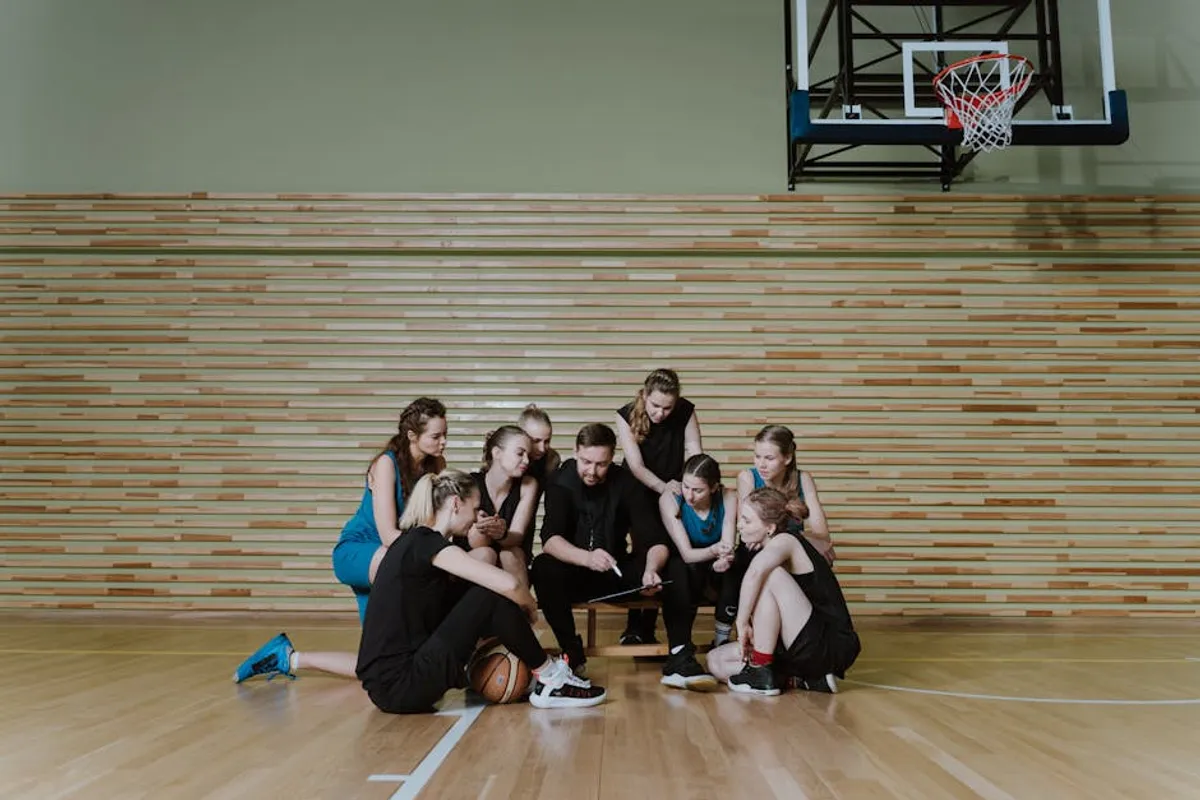
Effective basketball training for young players prioritizes foundational skill development, age-appropriate physical conditioning, and the cultivation of game intelligence. The goal is to build a robust skill set, prevent early burnout or injury, and instill a lasting passion for the sport. This approach ensures players develop a strong base before progressing to advanced techniques, maximizing their long-term potential and enjoyment.
Developing Foundational Basketball Skills in Young Players
The bedrock of any successful basketball player is a command of core skills. For young athletes, repetition and correct form are paramount over speed or power.
Mastering Ball Handling and Dribbling
Consistent ball handling builds confidence and control. Young players should practice dribbling with both hands, focusing on keeping the ball low and using their fingertips. Drills should include stationary dribbling (pounds, crossovers, between-the-legs, behind-the-back) and dynamic dribbling (full-court dribbling, dribbling around cones). The emphasis is on maintaining control while looking up, developing court awareness rather than staring at the ball. Daily 10-15 minute sessions can significantly improve proficiency.
Building Consistent Shooting Form
Proper shooting mechanics are crucial to avoid developing bad habits. Begin with form shooting close to the basket, focusing on the B.E.E.F. acronym: Balance, Eyes, Elbow, Follow-through. Players should use a one-hand shot with the guide hand for support only. The Mikan drill (alternating layups from both sides) and form shooting from 5-10 feet away help engrain muscle memory. Distance shooting should only be introduced once form is consistent, preventing strain and promoting accuracy.
Precision Passing and Court Vision
Passing is a team skill that requires accuracy and timing. Young players should learn the chest pass, bounce pass, and overhead pass. Drills should involve passing to a stationary target, then to a moving target, emphasizing crisp passes that hit the receiver in stride. Developing court vision involves encouraging players to scan the court before receiving the ball and making quick decisions on where to pass or drive. Simple two-player passing drills, incorporating movement, are effective.
Age-Appropriate Physical Preparation
Physical training for young players must be tailored to their developmental stage, focusing on agility, coordination, and functional strength without overstressing their growing bodies.
Essential Footwork and Agility Drills
Effective footwork is fundamental for offense and defense. Ladder drills improve quickness and coordination (e.g., in-and-out, Icky Shuffle). Cone drills (e.g., figure-eights, zig-zags) enhance change-of-direction speed and agility. Defensive slides, focusing on staying low and moving laterally without crossing feet, are critical for on-ball defense. These drills should be performed in short, intense bursts followed by rest.
Safe Strength and Conditioning Practices
For young players, strength training should primarily involve bodyweight exercises. Push-ups, squats, lunges, and planks build core strength and muscular endurance without the risks associated with heavy weights. Light resistance bands can be introduced for controlled movements. Conditioning should focus on short bursts of activity (sprints, shuttle runs) mimicking game situations, rather than long-distance running, to develop anaerobic capacity relevant to basketball.
Cultivating Basketball IQ and Game Awareness
Beyond individual skills, understanding the game's flow and making intelligent decisions are hallmarks of effective players.
Understanding Court Spacing and Off-Ball Movement
Teaching young players how to create space and move without the ball is crucial. Drills like 3-on-3 or 4-on-4 with specific spacing rules (e.g., no two players in the same lane) help them understand offensive flow. Emphasize cutting to the basket, filling open spots, and relocating after a pass. These concepts prevent clumping and open up scoring opportunities.
Making Smart Decisions Under Pressure
Decision-making improves through game-like situations. Introduce simple 2-on-1 or 3-on-2 drills where players must quickly decide whether to pass, shoot, or drive. Encourage communication and reinforce positive decisions. Debriefing after drills helps players understand the 'why' behind certain choices, fostering analytical thinking on the court.
Pro Tip: Prioritize fundamental skill development and proper technique over winning or advanced strategies for young players. Focusing on the basics prevents injury, builds confidence, and establishes a strong foundation that will serve them throughout their basketball journey. Early specialization or over-emphasis on competitive outcomes can lead to burnout and hinder long-term growth.
Fostering Mental Toughness and Teamwork
Basketball is as much a mental game as it is physical. Developing resilience, focus, and a team-first attitude is essential.
- Encourage Effort Over Perfection: Praise hard work and persistence, especially after mistakes. This builds resilience and a growth mindset.
- Develop Focus: Use drills that require sustained attention, such as multi-tasking dribbling drills while listening for commands.
- Promote Communication: Implement drills where players must verbally call out screens, passes, or defensive assignments, fostering effective teamwork.
- Emphasize Sportsmanship: Teach respect for opponents, officials, and teammates, reinforcing the values of fair play and integrity.
Structured Training for Long-Term Development
A consistent, structured training approach yields the best results for young basketball players. Weekly sessions should balance skill work, physical conditioning, and game-play scenarios. It's important to keep training engaging and fun to maintain interest and prevent boredom. Regular, short sessions are often more effective than infrequent, long ones. Incorporate skill challenges and small-sided games to apply learned techniques in a competitive, yet low-pressure, environment. This holistic approach ensures comprehensive development, preparing players not just for the next game, but for years of enjoyment and improvement in basketball.
Frequently Asked Questions About Youth Basketball Training
How often should young players train?
For foundational development, 2-3 structured sessions per week, each 60-90 minutes, are generally effective. Consistent, shorter sessions are more beneficial than infrequent, lengthy ones, allowing for skill retention and preventing fatigue.
What is the most important skill for a young player to learn?
Ball handling with both hands is arguably the most critical foundational skill. It provides the confidence and control necessary to execute other offensive moves, enhancing overall court presence and decision-making.
When should specialized training begin?
Specialized position-specific training is generally more beneficial for players once they have mastered fundamental skills and reached adolescence (around ages 13-15). Prior to this, a broad focus on all core skills is recommended.
How can parents best support their young basketball player?
Parents should encourage effort, focus on skill development over winning, ensure proper rest and nutrition, and foster a positive, supportive environment. Avoid over-coaching from the sidelines and prioritize enjoyment of the game.