Developing proficiency in basketball extends beyond natural talent; it demands a structured approach to training that systematically addresses skill development, physical conditioning, and strategic understanding. Aspiring players aiming for consistent improvement must move past unstructured play and embrace targeted drills designed to refine specific aspects of their game. This guide outlines core training principles and actionable tips to build a comprehensive regimen, focusing on efficiency and measurable progress rather than simply logging court time.
Foundational Skill Development
Mastering the fundamental techniques is non-negotiable for any player. These skills form the bedrock upon which more complex plays and strategies are built.
Ball Handling and Dribbling Mastery
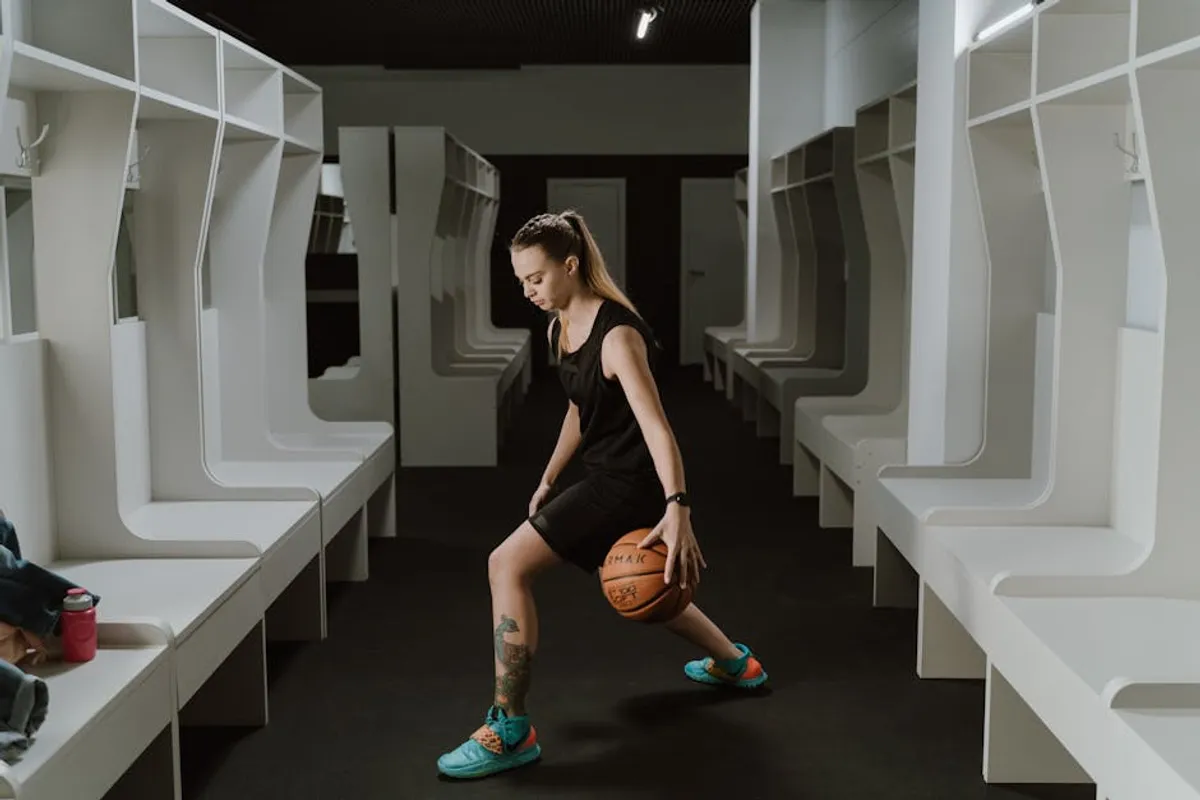
Effective ball handling allows players to maintain possession, create space, and execute offensive maneuvers under pressure. Consistent practice of various dribbling techniques is crucial.
- Stationary Dribbling: Focus on crossovers, between-the-legs, and behind-the-back dribbles from a stationary position. Emphasize keeping the head up and maintaining control with fingertips, not palms.
- Cone Drills: Set up cones in various patterns (straight line, zig-zag, circle) and dribble through them, practicing changes of direction and speed. This simulates navigating defenders.
- Full-Court Dribbling: Practice speed dribbling with both hands, alternating hands, and performing crossovers while moving down the court. This builds endurance and control at game speed.
Shooting Mechanics and Consistency
Accurate shooting requires precise mechanics and repetitive practice to build muscle memory. Consistency is key, especially under fatigue.
Key elements:
B – Balance: Feet shoulder-width apart, knees slightly bent, weight balanced.
E – Eyes: Focused on the rim, specifically the front or back of the hoop.
E – Elbow: Tucked in, directly under the ball, forming a "shooter's triangle" with the wrist and shoulder.
F – Follow-through: Hand extends towards the hoop, wrist snaps, fingers point down into the basket, holding the follow-through until the ball hits the rim.
Drills such as form shooting close to the basket, the Mikan drill (alternating layups from both sides), and consistent free-throw practice are essential for ingraining proper technique.
Defensive Footwork and Positioning
Strong defense prevents opponents from scoring and creates offensive opportunities. It relies heavily on quick, precise footwork and intelligent positioning.
Drills include:
- Defensive Slides (Shuffles): Practice low, wide stances, shuffling laterally without crossing feet. Focus on staying in front of an imaginary ball handler.
- Close-Outs: Simulate closing out on a shooter, chopping feet as you approach, and maintaining a hand up to contest the shot without fouling.
- Stance and Agility: Practice quickly transitioning from a defensive stance to sprinting, simulating reacting to offensive moves.
Physical Conditioning and Athleticism
Basketball is a physically demanding sport. Enhancing strength, speed, agility, and endurance directly translates to improved on-court performance and injury prevention.
Strength and Power Training
Developing explosive power is crucial for jumping, sprinting, and driving to the basket. Strength training should be functional and sport-specific.
Best for: Vertical leap, quick bursts of speed, maintaining position.
Plyometric exercises (box jumps, broad jumps) build explosive power. Bodyweight exercises (squats, lunges, push-ups, planks) improve core strength and stability. Age-appropriate weight training can further enhance overall strength.
Speed and Agility Drills
The ability to change direction quickly and accelerate rapidly is vital for both offense and defense.
Drills: Ladder drills improve foot speed and coordination. Shuttle runs (e.g., 5-10-5 drill) enhance lateral quickness and change-of-direction speed. Sprints over short distances (10-30 meters) build acceleration.
Endurance and Cardiovascular Fitness
Sustaining high-intensity play throughout an entire game requires excellent cardiovascular endurance.
Training methods: Interval training (alternating high-intensity bursts with short recovery periods) closely mimics game conditions. Longer-duration cardio (running, cycling) builds a foundational aerobic base.
Pro Tip: Prioritize recovery and injury prevention. Incorporate dynamic warm-ups before training, static stretching after, and adequate rest between sessions. Proper hydration and nutrition are non-negotiable for sustained performance and avoiding setbacks.
Strategic Play and Court IQ
Understanding the game, reading opponents, and making intelligent decisions are as important as physical skills. High basketball IQ elevates individual and team performance.
Offensive and Defensive Drills
Practicing game-like scenarios helps players understand spacing, timing, and decision-making under pressure.
Examples: Pick-and-roll drills (offense and defense), 3-on-2 fast break drills, 5-on-5 half-court sets focusing on specific offensive plays or defensive schemes. These drills teach players to react instinctively to game situations.
Game Simulation and Decision Making
Regular scrimmages and controlled game situations allow players to apply learned skills and strategies in a competitive environment.
Focus points: Communication, court vision, recognizing mismatches, and making quick decisions with the ball. Coaches or experienced players can provide immediate feedback on choices made during these simulations.
Mental Toughness and Focus
Basketball is as much a mental game as it is physical. Maintaining composure, focus, and confidence is critical, especially in high-pressure moments.
Techniques: Visualization (mentally rehearsing successful plays), setting small achievable goals, and practicing mindfulness can enhance mental resilience. Learning to shake off mistakes and stay present is a valuable skill.
Implementing a Training Plan
Effective basketball training is not random; it is a deliberate process. Develop a schedule that balances skill work, physical conditioning, and strategic understanding. Start with a clear assessment of current strengths and weaknesses to tailor your focus. Track progress through drills, record shooting percentages, and monitor physical improvements. Seek feedback from coaches or more experienced players to identify areas for refinement. Consistency, discipline, and a willingness to learn are the cornerstones of sustained improvement on the court.
Frequently Asked Questions
How often should I train for basketball?
For significant improvement, aim for 3-5 dedicated training sessions per week, with each session lasting 60-90 minutes. This allows for skill work, conditioning, and adequate recovery.
What is the most important skill to develop first?
Ball handling and dribbling are often considered foundational. Without control of the ball, executing other skills like shooting, passing, or driving effectively becomes challenging.
Can I train effectively by myself?
Yes, many fundamental skills and conditioning drills can be practiced alone. However, incorporating occasional scrimmages or working with a partner/coach is beneficial for developing game awareness, passing, and defensive reactions.
How long does it take to see improvement?
Visible improvements can often be seen within a few weeks of consistent, structured training. Significant development and mastery of complex skills typically require months to years of dedicated practice.