
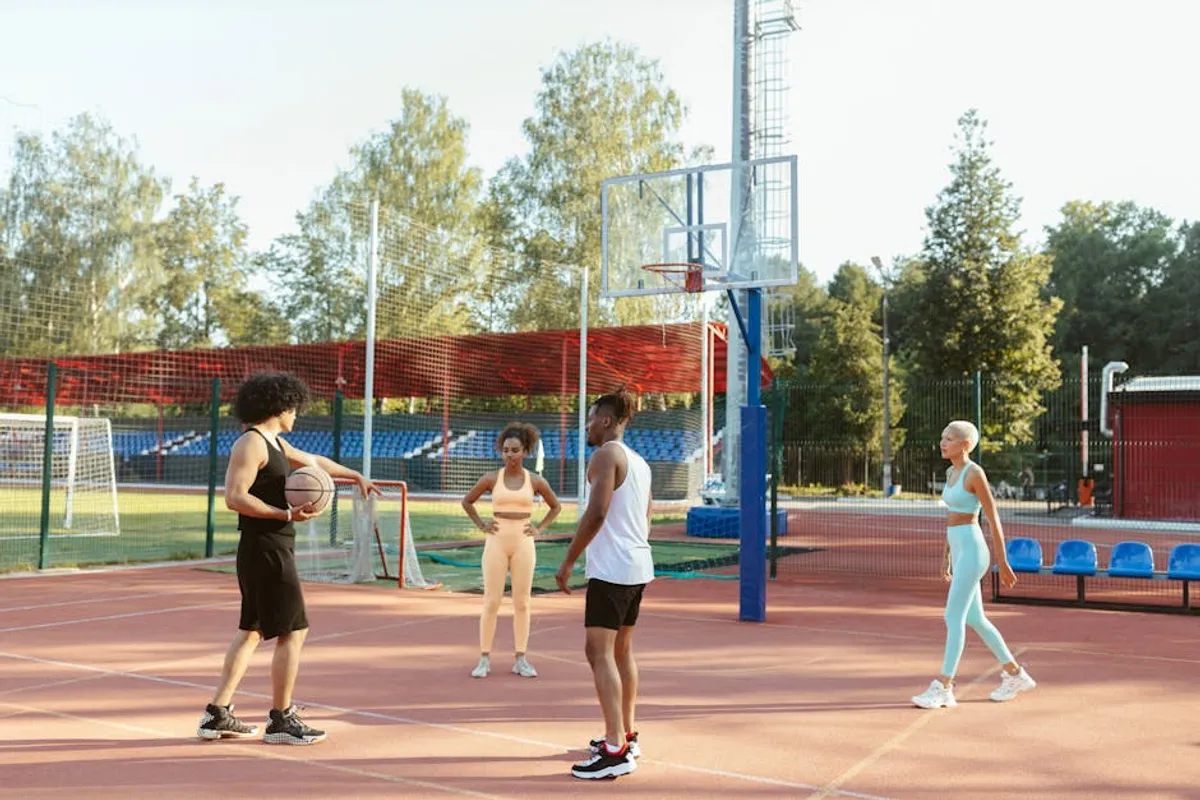
The landscape of basketball training is in constant flux, driven by advancements in sports science, technology, and a deeper understanding of athletic development. For players aiming to maximize their potential, coaches seeking to optimize team performance, or program directors looking to offer a competitive edge, understanding current trends is not merely beneficial—it's essential for sustained relevance and success. The following insights detail key shifts in how basketball athletes are being developed, offering a strategic overview for integrating these methodologies into effective training regimens.
Data-Driven Performance Analysis
Modern basketball training increasingly relies on quantitative data to inform decisions, moving beyond subjective observation. This trend leverages technology to gather precise metrics on player performance, physical conditioning, and skill execution.
Wearable Technology Integration
Wearable sensors, often integrated into vests or smart apparel, provide real-time biometric and movement data. This includes metrics such as heart rate variability, acceleration, deceleration, jump height, and total distance covered during practice or games. Analyzing this data allows coaches to monitor player fatigue, assess workload, and tailor recovery protocols, directly impacting injury prevention and peak performance scheduling.
Video Analytics and AI-Powered Insights
Advanced video analysis platforms use artificial intelligence to break down game footage and practice sessions. These systems can track player movement patterns, identify defensive lapses, analyze shot selection efficiency, and quantify offensive spacing. The resulting visual and statistical reports offer granular feedback on individual and team tactics, enabling targeted adjustments to strategy and skill development. For example, a player's shot release time or defensive slide efficiency can be precisely measured and improved.
Customized Training Protocols
The aggregation of performance data facilitates the creation of highly individualized training programs. Instead of generic drills, athletes receive exercises specifically designed to address their identified weaknesses or enhance existing strengths, based on their unique physiological responses and on-court metrics. This personalization extends to load management, nutrition planning, and even psychological preparation, optimizing resource allocation for maximum developmental impact.
Specialized Skill Development
Beyond fundamental techniques, contemporary training emphasizes refining specific skills with greater precision and integrating cognitive demands into physical drills.
Position-Specific Training Refinement
Training modules are increasingly tailored to the demands of specific positions, acknowledging that a point guard's needs differ significantly from a center's. This involves specialized drills for ball-handling under pressure, advanced post moves, perimeter shooting accuracy, and defensive assignments unique to each role. The goal is to develop versatile players who excel in their primary roles while possessing a broad skill set.
Cognitive Training and Decision-Making
Basketball is as much a mental game as it is physical. Cognitive training focuses on improving a player's court vision, reaction time, decision-making under duress, and ability to process complex game situations rapidly. Drills incorporate elements like visual cues, auditory signals, and unpredictable scenarios to simulate game-like pressure, enhancing a player's mental processing speed and on-court intelligence.
Shooting Mechanics Optimization
Technology like shot-tracking systems and force plates provides instant feedback on shooting form, arc, release point, and power transfer. These tools allow for precise adjustments to mechanics, identifying inconsistencies that impact accuracy and range. This data-driven approach to shooting helps players develop a more consistent and efficient shot, critical in an increasingly perimeter-oriented game.
Holistic Athlete Development
Recognizing that peak performance stems from more than just on-court practice, training now encompasses a broader spectrum of athlete well-being.
Integrated Strength and Conditioning
Beyond traditional weightlifting, modern strength and conditioning programs for basketball integrate plyometrics for explosiveness, agility drills for quick changes of direction, and injury prevention exercises targeting common basketball-related issues (e.g., ankle stability, knee health). These programs are periodized to align with the competitive season, ensuring peak physical readiness when it matters most.
Nutrition and Recovery Protocols
Personalized nutrition plans, focusing on macro and micronutrient timing, hydration, and supplementation, are crucial for fueling performance and accelerating recovery. Similarly, recovery protocols—including sleep tracking, active recovery techniques, massage, and cold therapy—are systematically integrated to minimize fatigue, reduce inflammation, and optimize physiological regeneration between intense training sessions and games.
Mental Performance Coaching
Athletes are increasingly working with sports psychologists and mental performance coaches to develop resilience, manage pressure, improve focus, and build confidence. Techniques such as visualization, mindfulness, goal setting, and stress management are taught to enhance mental toughness, which directly translates to improved performance in high-stakes situations.
Virtual and Hybrid Training Models
The accessibility of technology has opened new avenues for training, extending beyond traditional in-person sessions.
- Online Coaching Platforms: These platforms connect athletes with expert coaches globally, offering personalized feedback on submitted video footage, custom workout plans, and virtual consultations. This expands access to high-level instruction regardless of geographical location.
- VR/AR for Immersive Practice: Virtual and augmented reality technologies are emerging as tools for immersive training simulations. Players can experience game scenarios, practice decision-making, and refine court awareness in a controlled, virtual environment, supplementing physical practice.
- Hybrid Models: Many programs now blend in-person coaching with digital resources, allowing for continuous learning and skill development. This might involve in-person skill work complemented by online strength programs, video analysis reviews, or mental training modules.
Pro Tip: When evaluating new training technologies or methodologies, prioritize those that offer measurable data, demonstrate clear biomechanical principles, and integrate seamlessly with existing training philosophies. Avoid fads that promise quick fixes without a foundation in sports science or long-term athlete development.
Strategic Implementation of Training Trends
Integrating these trends effectively requires a strategic approach rather than simply adopting every new methodology. Coaches and program directors should assess the specific needs of their athletes, the resources available, and the overarching goals of their program.
Start by identifying areas where current training can be enhanced through data-driven insights, specialized skill work, or holistic athlete support. Pilot new technologies or methodologies on a smaller scale to evaluate their impact and refine implementation. Prioritize trends that offer the most significant return on investment in terms of player development, injury reduction, and performance gains. Continuous education for coaching staff on these evolving trends is also paramount to ensure consistent application and understanding.
Frequently Asked Questions
How often should basketball training programs be updated?
Training programs should be periodically reviewed and updated, ideally on an annual or bi-annual basis, to incorporate new research, adapt to player development, and integrate proven trends without disrupting core foundational principles.
Are these advanced training trends only for elite athletes?
While elite athletes often have access to the most sophisticated tools, many core principles of these trends, such as data-driven feedback, specialized skill work, and holistic development, can be adapted for athletes at all levels, from youth to amateur, using more accessible resources.
What is the most impactful trend for amateur players with limited resources?
For amateur players, focusing on cognitive training to improve decision-making and integrating basic strength and conditioning with proper recovery protocols often yields the most impactful results, as these areas lay a strong foundation for overall performance and injury prevention.
How can coaches implement data analysis without expensive equipment?
Coaches can start with basic data collection by tracking key performance indicators manually, using free video analysis software, or leveraging existing team statistics to identify patterns and areas for improvement, even without high-end wearable technology.