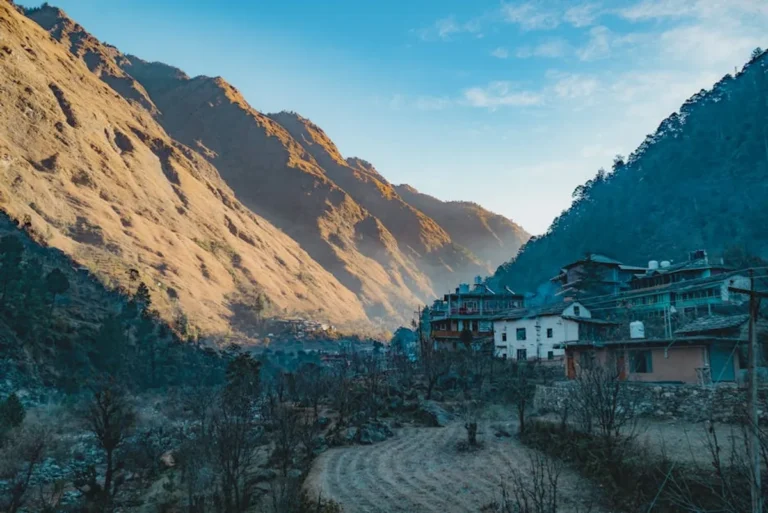

India presents a kaleidoscope of experiences, a continent-sized nation where ancient traditions meet modern dynamism. For travelers, the sheer scale and diversity can be overwhelming, making the choice of destination paramount to shaping an impactful journey. Whether seeking spiritual solace, historical grandeur, adventurous thrills, or serene relaxation, India offers a distinct canvas. This guide cuts through the vastness, detailing premier destinations and outlining their specific appeal to help align your travel aspirations with the perfect Indian locale.
Navigating India's Diverse Landscapes: How to Choose Your Destination
Selecting the right destination in India hinges on understanding your primary travel objectives and logistical considerations. Begin by defining your interests: are you drawn to historical architecture, vibrant cultural festivals, pristine natural landscapes, or urban exploration? Consider your budget, as luxury experiences in Rajasthan differ significantly from backpacking through the Himalayas. The duration of your trip is also critical; a short visit might focus on a single region, while extended stays allow for multi-state itineraries. Finally, seasonal weather patterns vary dramatically across the country, influencing the optimal time to visit specific regions. For instance, the desert states are best in winter, while the mountains are ideal in summer. Matching these factors to a destination's inherent characteristics ensures a more fulfilling and tailored experience.
1. Rajasthan
Rajasthan, the "Land of Kings," epitomizes India's royal heritage with its majestic forts, opulent palaces, and vibrant culture. Cities like Jaipur (the Pink City), Udaipur (the City of Lakes), and Jodhpur (the Blue City) offer a deep dive into Rajputana history, showcasing intricate architecture, traditional arts, and lively bazaars. The Thar Desert provides opportunities for camel safaris and glimpses into rural life. This region is a visual spectacle, rich in folklore and culinary traditions.
Best for: First-time visitors to India, culture enthusiasts, history buffs, luxury travelers, and those seeking vibrant photographic opportunities.
Pros:
- Iconic historical sites and well-preserved palaces.
- Rich cultural experiences, including folk music, dance, and traditional crafts.
- Diverse accommodation options, from heritage hotels to boutique stays.
- Excellent infrastructure for tourism, including guided tours and transport.
Cons:
- Can be very crowded, especially during peak season (October-March).
- Summer months (April-June) are intensely hot, limiting outdoor activities.
- Requires significant travel time between major cities to experience the full scope.
Verdict: Rajasthan delivers a quintessential Indian experience focused on regal history and vivid cultural immersion, making it ideal for travelers seeking grandeur and traditional charm.
2. Kerala
Kerala, known as "God's Own Country," offers a tranquil contrast to the northern plains. Its defining features include the serene backwaters, where houseboats drift along palm-fringed canals, the lush tea plantations of Munnar, and the pristine beaches of Kovalam. The state is also a global hub for Ayurvedic wellness and boasts a unique cultural blend influenced by its maritime trade history, visible in the architecture of Fort Kochi.
Best for: Nature lovers, wellness retreats, honeymooners, and those seeking a relaxed pace and scenic beauty.
Pros:
- Unique backwater experiences on houseboats.
- Lush green landscapes, including hill stations and spice plantations.
- Renowned for Ayurvedic treatments and wellness tourism.
- Relatively clean and well-maintained tourist infrastructure.
Cons:
- Monsoon season (June-September) can disrupt travel plans and activities.
- Limited historical monument concentration compared to northern states.
- Some areas can be humid year-round.
Verdict: Kerala provides a refreshing escape with its natural beauty, calm waterways, and focus on holistic well-being, appealing to travelers prioritizing relaxation and scenic environments.
3. Goa
Goa, India's smallest state, is synonymous with sun-kissed beaches, vibrant nightlife, and a distinct Portuguese-influenced heritage. Its coastline stretches from the bustling shores of North Goa to the quieter, more pristine beaches of South Goa. Beyond the sands, Old Goa's churches and cathedrals are UNESCO World Heritage Sites, reflecting centuries of colonial history. The state offers a unique blend of relaxation, adventure sports, and culinary delights, particularly fresh seafood.
Best for: Beach holidays, party-goers, water sports enthusiasts, and those interested in a blend of Indian and European culture.
Pros:
- Extensive coastline with diverse beach options.
- Lively nightlife and beach shacks.
- Historical sites showcasing Portuguese colonial architecture.
- Excellent seafood and fusion cuisine.
Cons:
- Can become excessively crowded and commercialized during peak season.
- Monsoon season (June-September) limits beach activities and some establishments close.
- Traffic can be heavy in popular areas, especially in North Goa.
Verdict: Goa is the premier destination for travelers seeking a relaxed coastal vacation with options for both lively entertainment and cultural exploration, making it a versatile choice for leisure.
4. Delhi
Delhi, the capital city, is a sprawling metropolis that serves as a historical palimpsest, layering centuries of empires. From the ancient ruins of Old Delhi, including the Red Fort and Jama Masjid, to the colonial grandeur of New Delhi with India Gate and Humayun's Tomb, the city is a living museum. It is also a significant cultural and culinary hub, offering everything from street food to fine dining, alongside bustling markets and modern shopping districts.
Best for: History enthusiasts, urban explorers, foodies, and as a gateway to other North Indian destinations.
Pros:
- Abundance of historical monuments spanning various eras.
- Diverse culinary scene, from traditional street food to international cuisine.
- Excellent connectivity to other parts of India via air, rail, and road.
- Vibrant arts and cultural scene with numerous museums and galleries.
Cons:
- Can be very crowded and chaotic, particularly in Old Delhi.
- Air quality can be poor, especially during winter months.
- Traffic congestion is a significant issue.
Verdict: Delhi offers an intense, comprehensive urban experience rich in history, culture, and gastronomy, serving as an essential starting point for understanding India's complex heritage.
5. Agra
Agra is home to one of the world's most iconic monuments, the Taj Mahal. This UNESCO World Heritage Site, a testament to eternal love, draws millions annually. Beyond the Taj, Agra Fort, another UNESCO site, and Fatehpur Sikri, a deserted Mughal city, offer further insights into the Mughal Empire's architectural prowess and historical significance. The city's primary appeal lies in its concentration of these architectural marvels.
Best for: Short trips, architectural enthusiasts, and those prioritizing iconic landmark visits.
Pros:
- Home to the Taj Mahal, a global wonder.
- Proximity to Delhi, making it an easy day or overnight trip.
- Other significant Mughal-era sites like Agra Fort and Fatehpur Sikri.
Cons:
- Beyond the main attractions, the city offers limited other engagement.
- Can be very touristy and crowded, especially around the Taj Mahal.
- Infrastructure outside the main tourist circuit is less developed.
Verdict: Agra is an indispensable destination for witnessing the unparalleled beauty of the Taj Mahal and other Mughal masterpieces, best experienced as part of a larger North India itinerary.
6. Varanasi
Varanasi, one of the oldest continually inhabited cities in the world, is India's spiritual heart. Situated on the banks of the sacred River Ganges, it is a pilgrimage site for Hindus who believe that dying here grants salvation. The city's ghats (steps leading to the river) are central to its life, hosting daily rituals, cremation ceremonies, and a continuous flow of devotees. The atmosphere is intensely spiritual, ancient, and deeply moving.
Best for: Spiritual seekers, cultural immersion, photographers, and those interested in ancient religious practices.
Pros:
- Profound spiritual and cultural experience.
- Unique insight into ancient Hindu traditions and rituals.
- Photogenic ghats and temples along the Ganges.
- Authentic and intense atmosphere unlike anywhere else.
Cons:
- Can be overwhelming due to crowds, noise, and sanitation challenges.
- Not suitable for those seeking a quiet or highly comfortable travel experience.
- Limited modern amenities in some areas.
Verdict: Varanasi offers an unparalleled, raw, and deeply spiritual encounter with India's religious traditions, essential for travelers seeking profound cultural and existential engagement.
7. Ladakh
Nestled in the Himalayas, Ladakh is a high-altitude desert known for its stark, moon-like landscapes, ancient Buddhist monasteries, and vibrant Tibetan culture. Often called "Little Tibet," it offers breathtaking mountain vistas, serene lakes like Pangong Tso, and thrilling adventure opportunities. The remote region provides a sense of isolation and spiritual tranquility, distinct from other parts of India.
Best for: Adventure travelers, trekkers, spiritual seekers, photographers, and those interested in Tibetan Buddhism and high-altitude landscapes.
Pros:
- Stunning, unique high-altitude landscapes.
- Rich Tibetan Buddhist culture and ancient monasteries.
- Opportunities for trekking, mountain biking, and motorbiking.
- Peaceful and serene environment away from urban bustle.
Cons:
- Requires acclimatization to high altitude, which can cause discomfort.
- Limited accessibility during winter months due to heavy snowfall.
- Infrastructure can be basic in remote areas.
Verdict: Ladakh provides an adventurous and spiritually enriching journey through dramatic Himalayan terrain, ideal for those seeking remote beauty and a distinct cultural experience.
8. Mumbai
Mumbai, the financial capital and largest city in India, is a bustling metropolis known for its fast pace, colonial architecture, and as the heart of Bollywood. The city offers a dynamic urban experience, from the iconic Gateway of India and Marine Drive to the vibrant markets of Colaba. It's a city of dreams and contrasts, where Victorian-era buildings stand alongside modern skyscrapers, and diverse communities thrive.
Best for: Urban explorers, film enthusiasts, business travelers, and those interested in modern Indian culture and nightlife.
Pros:
- Vibrant nightlife and entertainment scene.
- Significant historical architecture from the British Raj era.
- Home to Bollywood, offering insights into India's film industry.
- Diverse culinary scene and shopping opportunities.
Cons:
- Extremely crowded and congested, with significant traffic.
- Can be expensive compared to other Indian cities.
- Pollution and humidity can be high.
Verdict: Mumbai delivers an energetic, cosmopolitan experience, showcasing modern India's economic and cultural dynamism, suitable for travelers who thrive in bustling urban environments.
9. Hampi
Hampi, a UNESCO World Heritage Site in Karnataka, transports visitors back to the Vijayanagara Empire, one of the greatest Hindu kingdoms in South Indian history. The landscape is dotted with magnificent ruins of temples, palaces, and ancient market streets, all set amidst a surreal boulder-strewn terrain. It's a place where history and geology converge to create a truly unique and awe-inspiring setting.
Best for: History buffs, archeology enthusiasts, photographers, and those seeking unique landscapes and ancient ruins.
Pros:
- Stunning and well-preserved ancient ruins.
- Unique boulder-strewn landscape for exploration.
- Relatively less crowded than some other major historical sites.
- Offers a glimpse into a significant South Indian empire.
Cons:
- Can be very hot, especially outside the winter months.
- Limited modern amenities and nightlife.
- Requires a dedicated interest in history and ruins to fully appreciate.
Verdict: Hampi offers an extraordinary journey into India's ancient past, providing a captivating experience for those fascinated by historical architecture and dramatic natural settings.
10. Darjeeling & Sikkim
The Eastern Himalayas offer a distinct charm with Darjeeling, famous for its tea plantations and the iconic "Toy Train," and Sikkim, known for its pristine natural beauty, Buddhist monasteries, and vibrant local culture. Darjeeling provides colonial-era charm and panoramic views of Kanchenjunga, while Sikkim offers serene landscapes, alpine lakes, and a strong sense of Tibetan Buddhist heritage. Both regions provide a cooler climate and a slower pace.
Best for: Mountain lovers, tea enthusiasts, spiritual seekers, and those looking for a serene escape with unique cultural elements.
Pros:
- Breathtaking mountain views, including Mount Kanchenjunga.
- World-renowned tea plantations and the Darjeeling Himalayan Railway.
- Rich Buddhist culture and serene monasteries in Sikkim.
- Pleasant climate, especially during summer.
Cons:
- Monsoon season (June-September) brings heavy rainfall and landslides.
- Travel can be slow due to winding mountain roads.
- Permit requirements for some areas in Sikkim can add complexity.
Verdict: Darjeeling and Sikkim offer a refreshing Himalayan experience, combining colonial history, tea culture, and serene Buddhist spirituality, ideal for those seeking tranquility and natural beauty.
11. Andaman & Nicobar Islands
The Andaman & Nicobar Islands, located in the Bay of Bengal, are a tropical paradise known for their pristine white-sand beaches, vibrant coral reefs, and lush rainforests. Havelock Island (now Swaraj Dweep) and Neil Island (Shaheed Dweep) are particularly popular for snorkeling, scuba diving, and relaxing on untouched shores. The islands offer a secluded escape with opportunities for marine adventure and serene beach holidays.
Best for: Beach lovers, scuba divers, snorkelers, honeymooners, and those seeking a tranquil tropical getaway.
Pros:
- Stunning, unspoiled beaches and crystal-clear waters.
- Excellent opportunities for scuba diving and snorkeling with diverse marine life.
- Lush tropical rainforests for nature walks.
- Relatively peaceful and less commercialized than other beach destinations.
Cons:
- Accessibility is limited, primarily by flight from mainland India.
- Monsoon season (May-September) can bring heavy rains and rough seas.
- Limited cultural or historical attractions beyond natural beauty.
Verdict: The Andaman & Nicobar Islands are India's premier destination for pristine tropical beaches and marine adventures, perfect for travelers seeking relaxation and underwater exploration.
12. Madurai
Madurai, one of South India's oldest continuously inhabited cities, is a cultural and spiritual heartland in Tamil Nadu. It is dominated by the Meenakshi Amman Temple, an architectural marvel adorned with thousands of colorful sculptures. The city is a vibrant hub of Dravidian culture, classical music, and traditional arts, offering a deep immersion into South Indian traditions and religious practices. Its ancient markets and culinary scene are also noteworthy.
Best for: Cultural immersion, religious tourism, architecture enthusiasts, and those interested in South Indian history and traditions.
Pros:
- Home to the iconic Meenakshi Amman Temple, a masterpiece of Dravidian architecture.
- Rich cultural heritage and traditional arts.
- Authentic South Indian culinary experiences.
- Less touristy than some North Indian destinations, offering a more local feel.
Cons:
- Can be very hot and humid for much of the year.
- Traffic and crowds can be intense around the temple area.
- Limited appeal for travelers not specifically interested in temples or South Indian culture.
Verdict: Madurai provides a profound insight into ancient Dravidian culture and temple architecture, making it an essential visit for travelers seeking deep cultural and spiritual engagement in South India.
Choosing the Right Destination for Your Trip
The optimal destination in India depends directly on your personal travel preferences and priorities. If your primary goal is historical exploration and cultural immersion, Rajasthan or Delhi/Agra offer unparalleled experiences. For those prioritizing relaxation and natural beauty, Kerala's backwaters or the Andaman Islands' beaches provide serene escapes. Adventure seekers might find Ladakh's challenging terrain and spiritual retreats more appealing. Urbanites will gravitate towards Mumbai's energy or Delhi's sprawling offerings. Consider combining two geographically proximate regions if your trip duration allows for a more varied experience, for instance, Delhi with Agra, or Kerala with a brief visit to Madurai. Always factor in seasonal weather patterns, as they can significantly impact the enjoyment and accessibility of certain regions. Researching local transportation, accommodation types, and specific activities available will further refine your choice, ensuring your Indian journey aligns perfectly with your expectations.
Frequently Asked Questions
When is the best time to visit India?
The best time generally spans from October to March, when the weather is cooler and drier across most of the country. However, specific regions have optimal windows: the Himalayas are best in summer (April-June), while the southern states and beaches are pleasant during winter (November-February).
Is India safe for solo female travelers?
While India offers incredible experiences, solo female travelers should exercise caution, particularly in crowded areas and at night. It is advisable to research specific regions, dress modestly, use reputable transport, and inform others of your itinerary. Many solo female travelers have positive experiences by taking standard precautions.
What are the visa requirements for India?
Most foreign nationals require a visa to enter India. An e-Visa facility is available for citizens of many countries, simplifying the application process for tourism, business, and medical visits. It is crucial to apply for a visa well in advance of your travel dates.
What vaccinations are recommended before traveling to India?
Commonly recommended vaccinations include Hepatitis A and B, Typhoid, Tetanus, Diphtheria, Measles, Mumps, Rubella (MMR), and Japanese Encephalitis. Consult your doctor or a travel clinic several months before your trip for personalized advice based on your itinerary and medical history.
How should I get around India?
India has an extensive transportation network. Domestic flights connect major cities efficiently. Trains are a popular and cost-effective option for long distances, offering various classes. Buses are available for shorter routes and remote areas. For local travel, auto-rickshaws, taxis, and ride-sharing apps are widely available. Consider hiring a car with a driver for convenience and flexibility, especially for multi-city itineraries.