
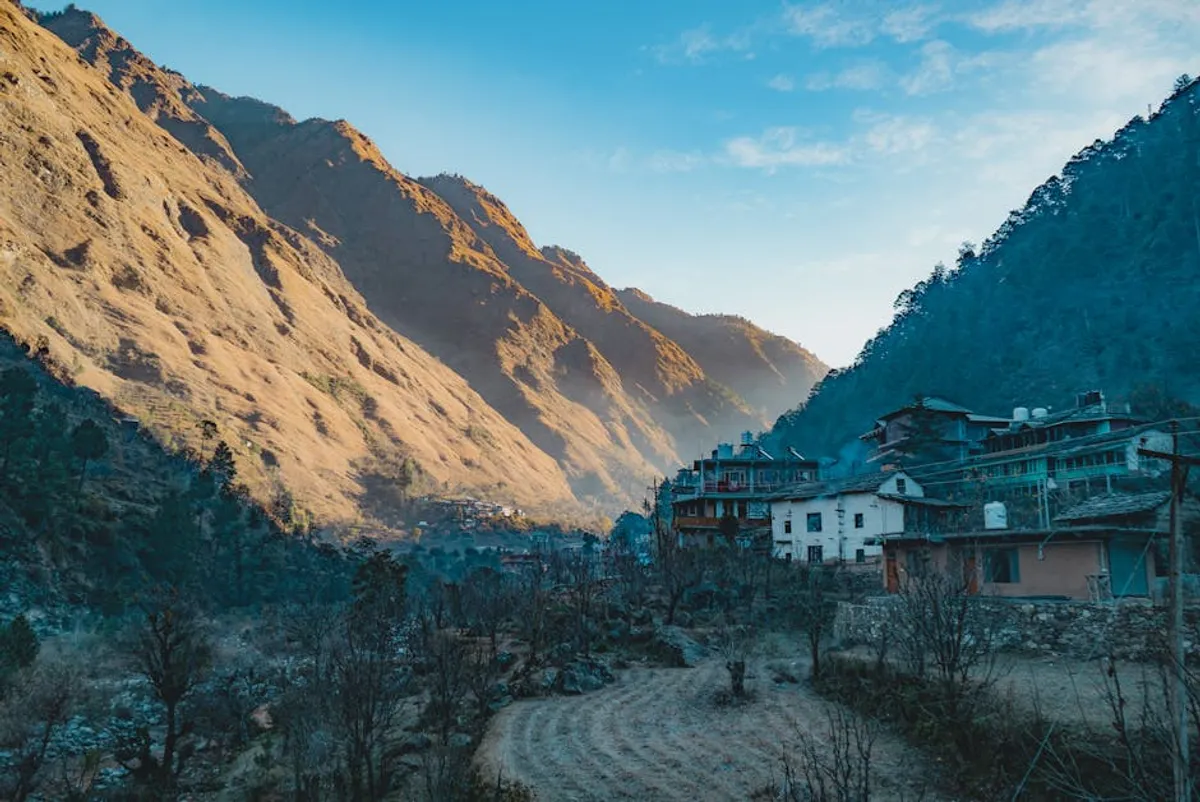
Jibhi, a quiet hamlet nestled in the Banjar Valley of Himachal Pradesh, offers a distinct alternative to more frequented hill stations. This guide provides a practical framework for planning a trip, focusing on specific locations to visit, accommodation options, and activities to ensure a well-informed travel experience. Unlike bustling tourist hubs, Jibhi caters to visitors seeking tranquility, natural beauty, and a direct connection with the Himalayan landscape. Understanding its unique appeal—from dense pine forests and pristine rivers to traditional Himachali architecture—is key to appreciating its commercial value as a destination for specific travel segments, including trekkers, nature photographers, and those prioritizing peaceful retreats. This resource details the practical considerations for navigating Jibhi, ensuring your visit aligns with its serene character and offers a genuine experience.
Exploring Jibhi's Key Attractions
Jibhi's allure stems from its accessible natural beauty and cultural landmarks. Each site offers a distinct experience, contributing to the region's overall appeal for visitors.
Natural Landscapes and Water Features
- Jibhi Waterfall: Located a short walk from the main village, this waterfall provides a refreshing escape. The trail leading to it is well-maintained, suitable for most fitness levels, and offers immediate access to a natural, shaded environment. Its commercial value lies in its accessibility for a quick, invigorating nature experience without requiring extensive trekking gear.
- Serolsar Lake: Situated at a higher altitude, approximately 6 kilometers from the Jalori Pass, Serolsar Lake is considered sacred and surrounded by dense oak forests. The trek to the lake is moderate, taking around 2-3 hours from Jalori Pass. Visitors are drawn by the lake's clear waters and the tranquil atmosphere, often visiting the associated temple of Budhi Nagin. This destination appeals to those seeking a blend of spiritual journey and scenic hiking.
- Tirthan Valley: While Jibhi is part of the larger Tirthan Valley, exploring areas beyond the immediate hamlet, such as the Tirthan River banks, offers opportunities for trout fishing (with permits) and riverside picnics. The valley's designation as an Ecozone around the Great Himalayan National Park underscores its ecological significance and appeal for responsible tourism.
Cultural and Architectural Sites
Chehni Kothi: This multi-storied tower, approximately 170 feet tall, is a prime example of traditional Himachali architecture, constructed without cement. Located in the village of Chehni, a short trek from Jibhi, it offers panoramic views of the valley. The tower's historical significance and structural ingenuity make it a point of interest for architecture enthusiasts and those keen on local heritage. Its commercial draw is its uniqueness as a historical landmark in a natural setting.
Pro Tip: When visiting Serolsar Lake or Chehni Kothi, plan for a moderate trek. Wear appropriate footwear with good grip, and carry sufficient water and snacks. The paths can be uneven, and weather conditions in the mountains can change rapidly, necessitating preparedness for a comfortable and safe experience.
Accommodation Options in Jibhi
Jibhi offers a range of lodging choices, from rustic homestays to more structured guesthouses, each providing a different facet of the local experience. The decision hinges on budget, desired amenities, and the level of immersion a traveler seeks.
Types of Stays and Their Benefits
Homestays: These provide an authentic cultural immersion, often including home-cooked meals prepared with local ingredients. They are typically budget-friendly and offer direct interaction with local families, providing insights into Himachali life.
Best for: Cultural immersion, budget-conscious travelers, authentic local food.
Guesthouses and Cottages: These options often combine local aesthetics with more standard amenities like private bathrooms and sometimes Wi-Fi. They strike a balance between comfort and local charm, frequently featuring traditional wooden architecture.
Best for: Travelers seeking comfort with a local touch, small groups, families.
Eco-Resorts and Campsites: A few establishments focus on sustainable tourism, offering tented accommodations or eco-friendly cottages. These often prioritize minimal environmental impact and can provide unique experiences like stargazing or designated bonfire areas.
Best for: Environmentally conscious travelers, adventure seekers, those desiring unique outdoor experiences.
Booking in advance, especially during peak seasons (April-June and September-November), is advisable due to the limited number of quality accommodations. Confirming facilities like hot water availability and heating is crucial, particularly for travel during colder months.
Engaging with Jibhi and Its Surroundings
Beyond specific sites, Jibhi encourages a slower pace, inviting visitors to engage with its environment and local culture through various activities.
Activities and Experiences
Trekking and Hiking: The region is crisscrossed with numerous trails, ranging from easy walks along the river to challenging multi-day treks into the Great Himalayan National Park (GHNP). Short hikes to nearby villages like Bahu or Shoja offer glimpses into local life and stunning valley views.
Best for: All fitness levels, from casual strolls to serious trekkers.
Trout Fishing: The Tirthan River is renowned for its trout. Permits can be obtained locally, offering a peaceful and engaging activity for angling enthusiasts. This activity requires patience and offers a quiet way to connect with the river environment.
Best for: Anglers, those seeking a quiet, meditative outdoor activity.
Bird Watching: Jibhi's diverse ecosystem, particularly around the GHNP, makes it a prime location for bird watching. Enthusiasts can spot various Himalayan bird species, especially during migratory seasons.
Best for: Nature photographers, ornithologists, quiet observers.
Local Cuisine and Markets
Sampling local Himachali cuisine is an integral part of the Jibhi experience. Dishes often feature fresh, seasonal vegetables, local grains, and distinct spices. Look for local dhabas and homestays that offer authentic preparations. While Jibhi does not have extensive markets, small shops cater to basic needs, and some local artisans sell handmade woolen goods or souvenirs, contributing to the local economy.
Planning Your Jibhi Journey
Effective planning ensures a smoother and more enjoyable trip to Jibhi. Consider the timing, transportation, and essentials for a comfortable stay.
Best Time to Visit
The optimal times to visit Jibhi are from March to May and September to November. Spring offers pleasant weather with blooming rhododendrons, while autumn provides clear skies and vibrant foliage. Monsoons (July-August) bring heavy rainfall and potential landslides, making travel challenging. Winters (December-February) are cold with snowfall, appealing to those seeking a snowy landscape but requiring adequate preparation for freezing temperatures.
Getting There
The nearest airport is Kullu-Manali Airport (Bhuntar), approximately 60 kilometers away. From Bhuntar, taxis are readily available. The nearest major railway stations are Chandigarh or Ambala Cantt, requiring a subsequent bus or taxi journey of several hours. Direct overnight buses from Delhi to Aut (on the Mandi-Manali highway) are a common and economical option. From Aut, Jibhi is about an hour's drive by local taxi or bus. This final leg of the journey offers scenic views but requires navigating mountain roads.
Practical Considerations
Mobile network connectivity can be intermittent, particularly for certain providers. It is advisable to carry a power bank. ATMs are scarce in Jibhi; the nearest are in Banjar or Aut, so carrying sufficient cash is recommended. Respecting local customs and maintaining the pristine environment by avoiding littering are fundamental for responsible tourism in this region.
Frequently Asked Questions About Jibhi Travel
Is Jibhi suitable for families with young children?
Jibhi can be suitable for families, especially those seeking a quiet, nature-focused holiday. Activities like short walks to the waterfall or riverside picnics are enjoyable. However, infrastructure is basic, and medical facilities are limited, so preparedness for travel with children is essential.
What kind of clothing should I pack for Jibhi?
Layered clothing is recommended year-round due to varying temperatures. During summer (March-May), light woolens for evenings are advisable. For autumn (September-November), medium to heavy woolens are necessary. Winters (December-February) require heavy winter wear, including thermals, down jackets, and waterproof outer layers. Always pack comfortable walking shoes.
Are there any permits required for visiting attractions in Jibhi?
No specific permits are generally required for visiting sites like Jibhi Waterfall or Chehni Kothi. However, if you plan to trek deep into the Great Himalayan National Park, permits are mandatory and can be obtained from the GHNP office in Sai Ropa. Fishing in the Tirthan River requires a permit, obtainable from the fisheries department in Banjar.
What is the typical duration recommended for a Jibhi trip?
A 3 to 4-day trip is often sufficient to experience Jibhi's main attractions and enjoy its serene atmosphere without rushing. This allows for exploration of the waterfall, a trek to Serolsar Lake or Chehni Kothi, and some time for relaxation or riverside activities. Longer stays are ideal for deeper treks or simply unwinding in the natural environment.